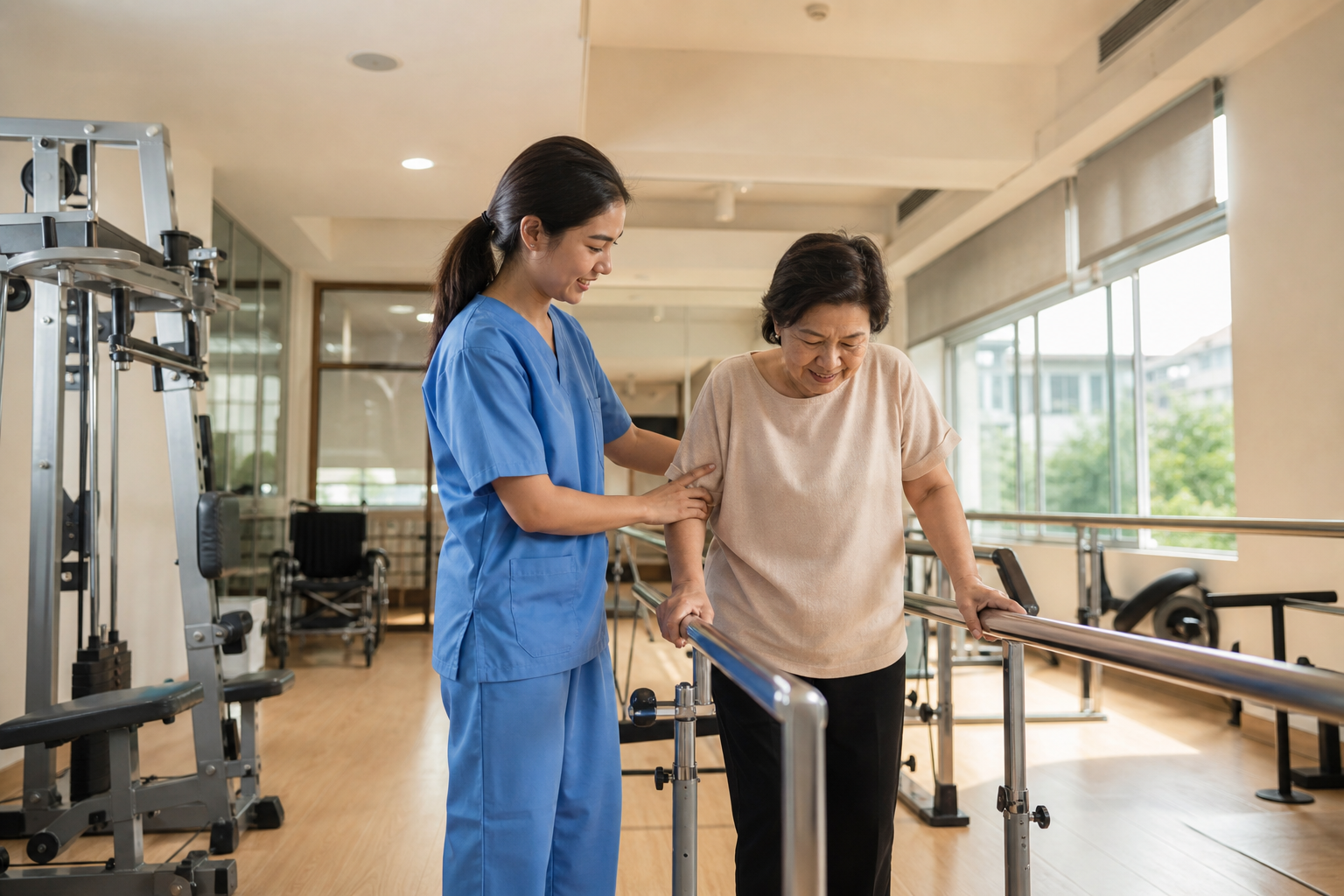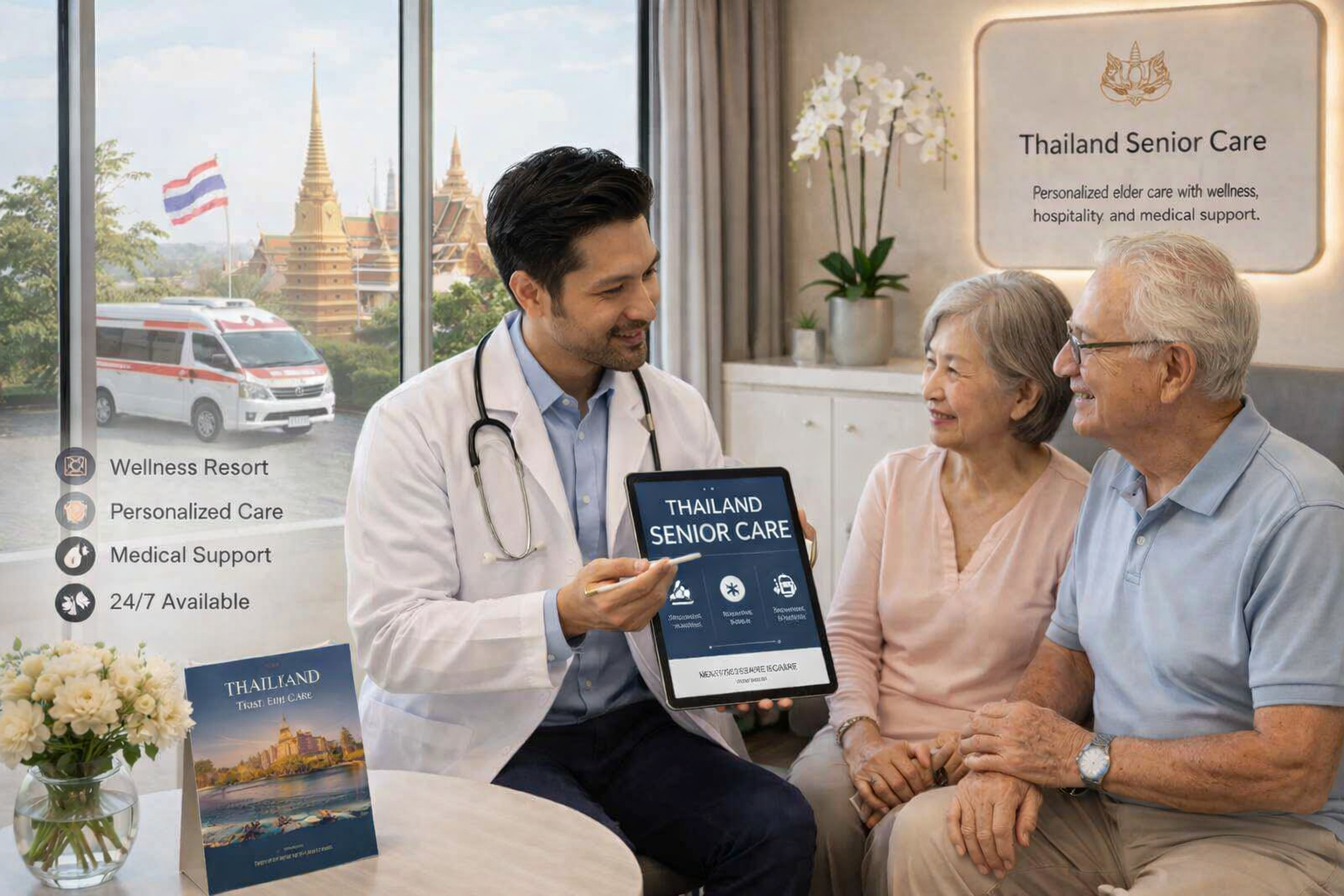
Asia's most transformative shift in healthcare isn't happening in an operating theatre — it's unfolding in the quiet corridors of Thailand's world-class rehabilitation centres, where aging parents from Singapore, Malaysia, Hong Kong, and mainland China are receiving care that rivals anything available in their home countries, often at a fraction of the cost. As 2026 approaches, thailand aging care medical tourism senior healthcare travel asia has become one of the fastest-growing segments in the global wellness economy. For families navigating the emotional and logistical complexity of caring for an elderly loved one abroad, understanding this shift could be life-changing.
Thailand's Aging Care Boom: What's Driving the Surge?
Thailand has long been celebrated for its affordability and hospital quality, but a new wave of investment in geriatric medicine, post-stroke rehabilitation, dementia care, and long-stay senior wellness programmes is redefining what the country offers to international patients. Government initiatives backed by Thailand's Ministry of Public Health, combined with private hospital groups such as Bumrungrad International, Bangkok Hospital Group, and Samitivej, have expanded dedicated elderly care wards, physiotherapy suites, and caregiver training programmes specifically designed for international senior patients.
According to reporting covered by Travel and Tour World, Thailand's new aging care breakthrough is now actively capturing the attention of ASEAN nations and China, as growing demand for medical tourism and senior healthcare travel reshapes how families across the region approach long-term elderly care decisions. This isn't a niche trend — it is a structural realignment of how Asia thinks about aging.
Why ASEAN and Chinese Families Are Looking Beyond Their Home Countries
The arithmetic of elderly care in many parts of Asia is stark. In Singapore, a private nursing home with specialist dementia care can cost between USD 4,000 and USD 8,000 per month. In Hong Kong, comparable facilities may exceed USD 6,000 monthly, with waiting lists stretching years. In mainland China, top-tier geriatric rehabilitation in Tier-1 cities is increasingly expensive and oversubscribed. Meanwhile, Thailand offers internationally accredited, English-capable senior care and rehabilitation programmes starting from approximately USD 1,500 to USD 3,500 per month — inclusive of accommodation, nursing, physiotherapy, and meals.
Beyond cost, families are drawn by Thailand's tropical climate, its culture of warm interpersonal care, and the sheer density of JCI-accredited hospitals in Bangkok, Chiang Mai, and Phuket. For Chinese-speaking families specifically, hospitals like Bangkok Hospital and Vejthani Hospital have expanded dedicated Mandarin-language patient services, making the transition smoother for elderly patients who may not speak English.
What Senior Healthcare Travel in Thailand Actually Looks Like
Post-Stroke and Neurological Rehabilitation
Thailand's rehabilitation hospitals have invested heavily in robotic-assisted physiotherapy, occupational therapy, and speech-language pathology units. For post-stroke patients, a four-week inpatient rehabilitation programme in Bangkok typically costs between USD 3,500 and USD 7,000 depending on intensity and accommodation grade — compared with USD 15,000 or more for equivalent programmes in Singapore or Australia. Outcomes data from leading Thai centres show strong recovery metrics that align with international benchmarks.
Dementia Care and Long-Stay Wellness Programmes
Several Thai private facilities now offer structured memory care programmes with cognitive stimulation therapy, curated nutrition plans, and 24-hour specialist nursing. These programmes are designed for stays ranging from one month to six months, giving families genuine relief while ensuring their loved one receives consistent, dignified care. Some facilities in Chiang Mai have positioned themselves specifically as long-stay retirement wellness destinations, blending clinical monitoring with holistic therapies including hydrotherapy and traditional Thai massage.
Orthopaedic Recovery and Hip or Knee Rehabilitation
Joint replacement surgery in Thailand — followed by structured physiotherapy — represents another major draw for senior medical travellers. A total hip replacement with a full post-operative rehabilitation package can be completed in Thailand for approximately USD 8,000 to USD 14,000, compared to USD 25,000–40,000 in Singapore or South Korea for equivalent care. The recovery environment, including accessible hotel-hospital partnerships and private nursing support, makes Thailand particularly suitable for older patients who need extended recovery time.
Why This Matters Now
Asia is aging rapidly. By 2030, one in four people in East and Southeast Asia will be over 60. Governments are struggling to build infrastructure quickly enough to meet this demand, and families are being forced to make difficult choices about where and how to access quality elderly care. Thailand's proactive positioning — through hospital investment, government tourism policy, and caregiver workforce expansion — means it is uniquely placed to serve this demographic wave right now, in 2026, before demand fully outpaces supply.
For families in China, Malaysia, Indonesia, and the broader ASEAN region, the window to access Thailand's senior care ecosystem at current prices and availability levels represents a genuine opportunity. The trend covered by Travel and Tour World signals that awareness is growing — which means those who act early secure the best hospital relationships, the most experienced care teams, and the most competitive pricing.
How Le Medica Supports Elderly Patients and Their Families
Planning senior healthcare travel is categorically more complex than arranging a straightforward medical procedure. Elderly patients have layered needs — accessibility requirements, medication management, dietary considerations, emotional support, and the need for family members to stay informed throughout. Le Medica's concierge service is specifically structured to address every dimension of this complexity. From the initial hospital shortlist and geriatric specialist selection, through to airport accessibility arrangements, caregiver coordination on the ground, and post-treatment follow-up consultations, Le Medica provides a single point of contact for families navigating elderly care across Thailand, Malaysia, and China.
Our team works with hospitals in Bangkok, Chiang Mai, Kuala Lumpur, and major Chinese medical centres to ensure elderly patients are received with appropriate clinical preparation, language support, and care continuity. We also help families understand the real costs, realistic timelines, and practical logistics — removing uncertainty at what is almost always a stressful time.
Frequently Asked Questions
Is Thailand safe for elderly patients travelling alone or with family carers?
Yes, with proper planning. Thailand's major international hospitals — particularly in Bangkok and Chiang Mai — have extensive experience managing elderly international patients, including those with mobility limitations, cognitive impairments, or complex medication schedules. Le Medica coordinates accessibility needs, ground transport, and onsite caregiver support to ensure elderly patients are never navigating the system alone.
How long should a senior healthcare travel programme in Thailand last?
This depends on the clinical objective. Post-surgical rehabilitation typically requires three to six weeks. Dementia or long-stay wellness programmes are often structured for one to three months. Diagnostic and assessment visits can be completed in five to ten days. Le Medica helps families build a programme timeline that balances clinical goals with practical family circumstances.
Can Thai hospitals provide care instructions and follow-up in Mandarin or Malay?
Several of Thailand's top hospitals have dedicated language support services for Mandarin, Cantonese, Bahasa Malaysia, and Indonesian-speaking patients. Le Medica specifically matches elderly patients to facilities with appropriate language capabilities, and we maintain bilingual communication channels throughout your loved one's care journey.
What does it cost to use Le Medica's concierge service for elderly healthcare travel?
Le Medica operates on a transparent service model. Concierge coordination fees vary depending on programme complexity and the number of hospitals involved, but the cost is typically offset significantly by the pricing advantages we negotiate with partner hospitals and the errors avoided through expert coordination. Contact us for a personalised assessment.
Begin Your Family's Senior Care Journey Today
The decision to seek healthcare abroad for an elderly parent or relative is never taken lightly. It deserves expert guidance, compassionate planning, and a team that genuinely understands what's at stake. If you're exploring Thailand's senior care options for 2026 — whether for rehabilitation, long-stay wellness, or specialist geriatric assessment — Le Medica is ready to help you navigate every step with clarity and care. Contact the Le Medica team today to speak with a senior care concierge specialist and begin building a personalised healthcare travel plan for your family.