A cancer diagnosis is one of the most life-altering moments a person can face, but for thousands of Malaysians every year, it doesn't have to come as a surprise. Understanding which cancers are most prevalent in your region, and knowing exactly when and how to screen for them, is the single most powerful step you can take to protect your health. This guide breaks down the top 5 cancers in Malaysia, the data behind them, and a clear, actionable roadmap built around the latest cancer screening guidelines Malaysia specialists follow.
Malaysia's Cancer Burden: By the Numbers
Globally, the most common cancers are lung, breast, and colorectal cancers, according to GLOBOCAN data published by the WHO Cancer Registry. But Malaysia's unique genetic landscape, dietary habits, and environmental exposures create a distinctly local cancer profile. According to the National Cancer Registry Malaysia, 48,639 new cancer cases were reported in 2020 alone, and that number is projected to nearly double by 2040. Approximately 1 in 9 Malaysian women and 1 in 10 Malaysian men will be diagnosed with cancer in their lifetime.
These are not just statistics. They represent families, communities, and lives. The good news: most of these cancers are highly treatable when caught early.
The Role of the National Cancer Registry
The National Cancer Registry Malaysia serves as the country's primary surveillance tool for tracking cancer incidence, mortality, and survival rates. By systematically collecting data from public and private hospitals nationwide, the Registry enables health authorities to allocate resources, shape public health campaigns, and set evidence-based cancer screening guidelines Malaysia-wide. Alongside it, the Breast Cancer Registry specifically monitors breast cancer trends, treatment outcomes, and survival data, helping oncologists refine protocols and improve survival rates for Malaysian women.
At Le Medica, our partner hospitals in Malaysia, including Gleneagles Hospital and Sunway Medical Centre, contribute to and are guided by this registry data, ensuring your care is aligned with the most current national standards.
The Top 5 Cancers in Malaysia
1. Breast Cancer
Breast cancer is the most common cancer in Malaysia, accounting for approximately 1 in 3 cancers among Malaysian women. The Breast Cancer Registry shows that the average age of diagnosis in Malaysia (mid-40s) is roughly a decade younger than in Western nations, making early screening even more critical. Risk factors include family history, hormonal factors, obesity, and a sedentary lifestyle. Mammography screening is recommended from age 40, or earlier for high-risk individuals.
2. Colorectal Cancer
Colorectal cancer is the second most common cancer in Malaysia and ranks first among Malaysian men. Malaysia's colorectal cancer risk is driven by a combination of low-fibre diets, red meat consumption, sedentary behaviour, obesity, and genetic predisposition. Alarmingly, many cases are diagnosed only at advanced stages because early symptoms, such as bloating, changes in bowel habits, and rectal bleeding, are routinely dismissed. The National Cancer Registry data shows colorectal cancer incidence rising sharply in those aged 50 and above, though cases in younger adults are increasing. A colonoscopy every 10 years from age 45 (or earlier if symptomatic or high-risk) is the gold standard screening tool.
3. Lung Cancer
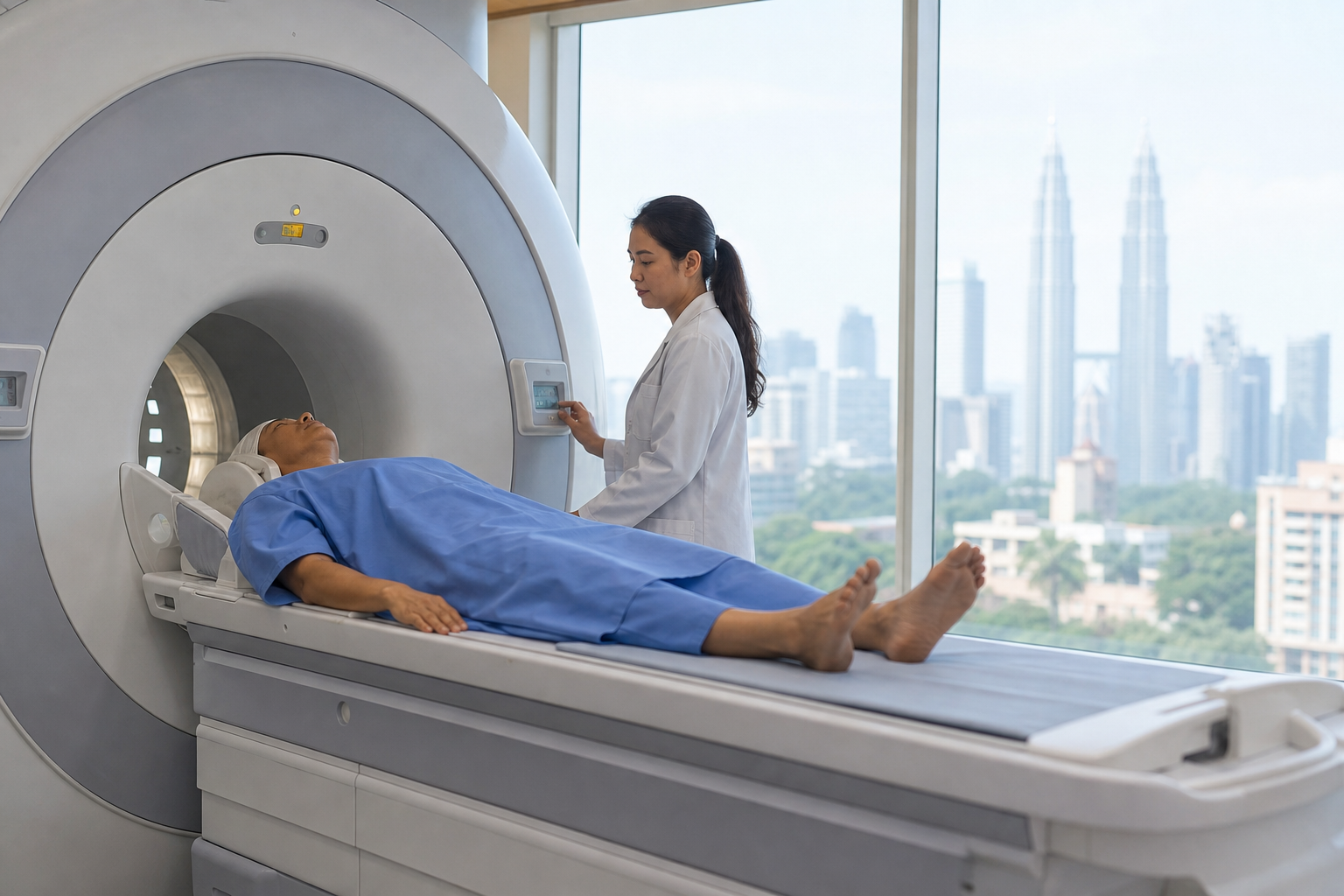
Lung cancer remains one of the deadliest cancers in Malaysia due to its typically late-stage diagnosis. Smoking is the primary driver, responsible for approximately 85% of cases. However, Malaysia also sees lung cancer in non-smokers, particularly among women exposed to indoor cooking smoke or secondhand smoke. According to WHO Cancer Registry (GLOBOCAN) data, lung cancer is the leading cause of cancer death globally and in Malaysia. Low-dose CT scanning (LDCT) is recommended annually for heavy smokers aged 50–80, and prompt evaluation of any chronic cough lasting more than three weeks is essential.
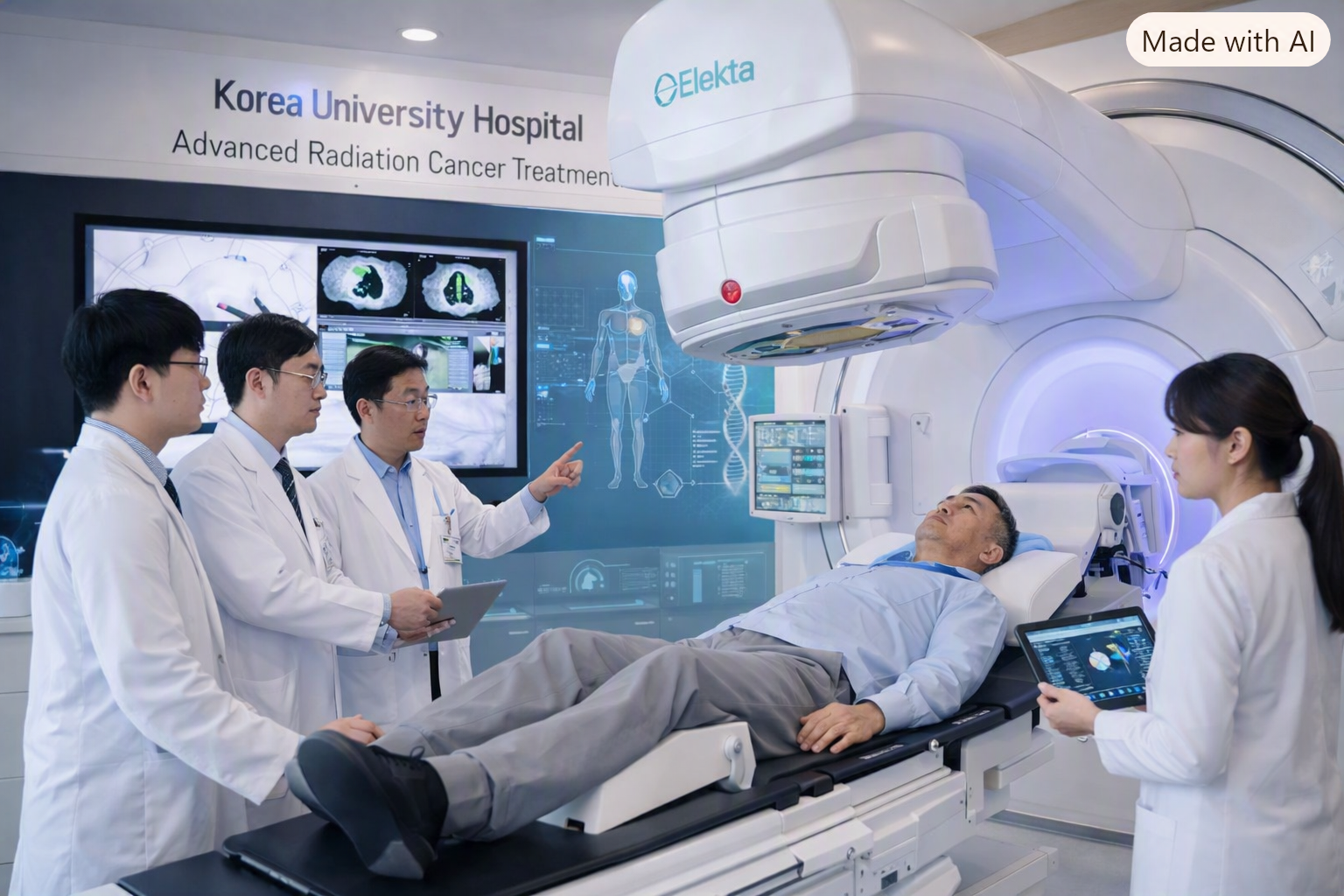
For certain localized tumors where precision is critical to sparing surrounding healthy tissue, advanced options like Proton Therapy can offer significant advantages over traditional radiation. Our team helps you evaluate if your specific diagnosis makes you a candidate for this high-precision technology.
4. Nasopharyngeal Cancer (NPC)
Nasopharyngeal carcinoma is disproportionately common in Malaysia compared to the rest of the world, particularly among ethnic Chinese Malaysians. Linked to Epstein-Barr virus (EBV) infection, genetic susceptibility, and dietary factors such as preserved and salted foods, NPC often presents with subtle early symptoms: nosebleeds, nasal congestion, hearing loss, or a lump in the neck. Because NPC is highly radiosensitive, early-stage diagnosis results in excellent outcomes. Blood tests for EBV antibodies and nasopharyngoscopy are the key screening tools for high-risk individuals.
5. Liver Cancer
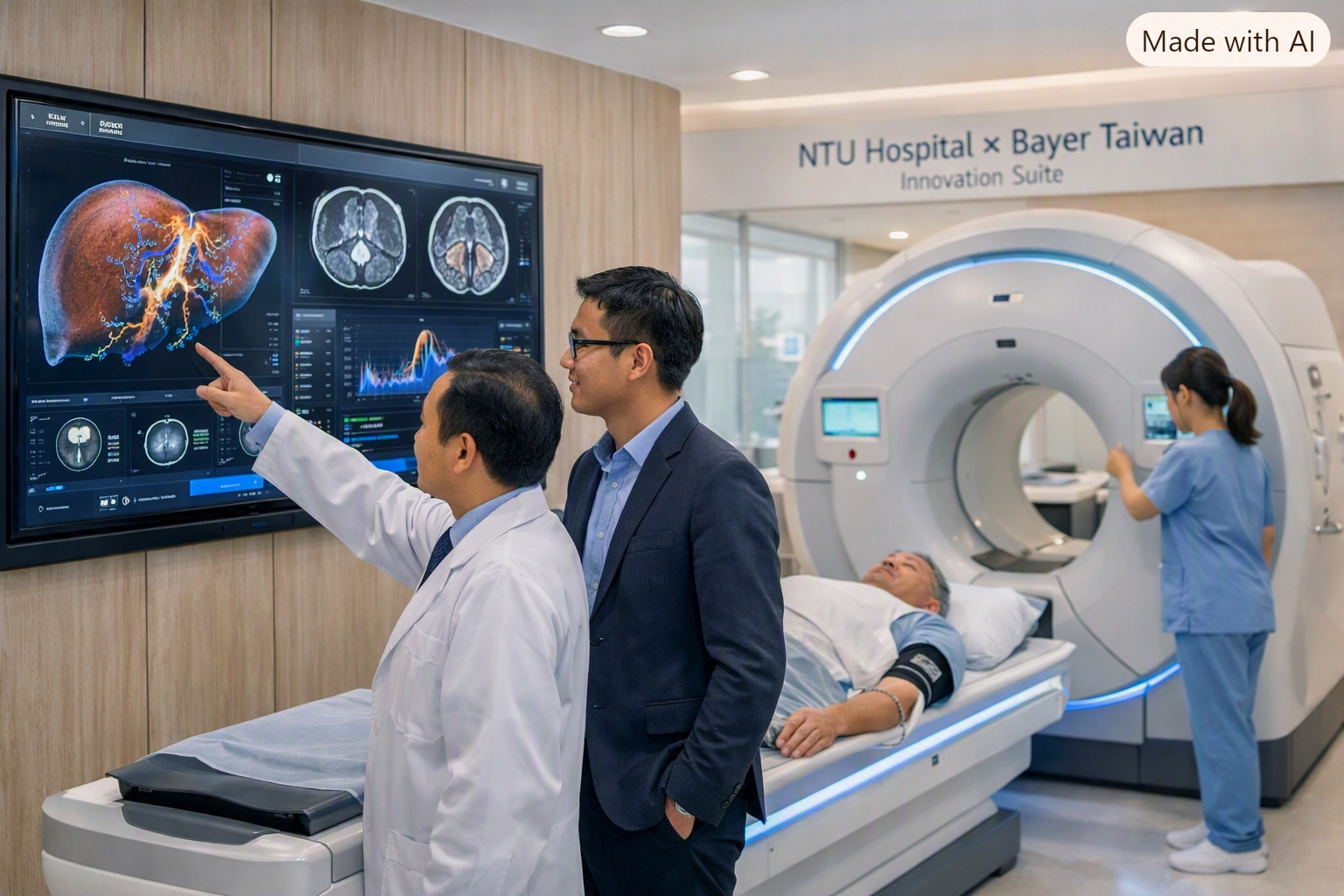
Liver cancer, predominantly hepatocellular carcinoma (HCC), rounds out the top 5 cancers in Malaysia. Chronic infection with Hepatitis B or C virus is the dominant risk factor, alongside non-alcoholic fatty liver disease (increasingly prevalent as obesity rates rise), heavy alcohol use, and aflatoxin exposure. Malaysia's cancer statistics show that liver cancer carries one of the lowest survival rates primarily because it is typically asymptomatic until advanced. High-risk individuals (chronic Hepatitis B or C carriers) should undergo liver ultrasound and AFP blood test every 6 months.
What Causes Cancer? Genetics, Lifestyle, and Environment
Cancer develops when normal cells accumulate genetic mutations that cause uncontrolled growth. This process is driven by a complex interplay of factors:
Genetic predisposition: BRCA1/BRCA2 mutations (breast and ovarian), Lynch syndrome (colorectal), familial adenomatous polyposis. In addition to screening, managing gynaecological health is a key component of cancer prevention. For patients navigating conditions like endometriosis, fibroids, or gynecologic cancer concerns, understanding the surgical landscape is vital. Read our Hysterectomy Surgical Roadmap to learn how to prepare for surgery and what to expect during recovery.
Lifestyle factors: Smoking, alcohol consumption, physical inactivity, obesity, and high-fat/low-fibre diets
Infections: Hepatitis B/C (liver cancer), EBV (NPC), HPV (cervical cancer)
Environmental exposure: Air pollution, indoor smoke, occupational carcinogens, aflatoxins in certain foods
Age: Cancer risk increases significantly after age 40–50 for most cancer types
Understanding your personal risk profile across these categories is the foundation of smart, personalised cancer screening, and it is where Le Medica's concierge consultation process begins. Learn more about our available cancer screening pathways and advanced options such as proton therapy for eligible patients.
Your Preventative Screening Checklist
Use this summary as your personal roadmap, aligned with cancer screening guidelines; Malaysian authorities and Le Medica's partner hospital protocols recommend:
Breast Cancer: Monthly self-examination from age 20; clinical breast exam every 1–3 years from age 20–40; annual mammogram from age 40 (or earlier for high-risk women)
Colorectal Cancer: Faecal immunochemical test (FIT) annually from age 45; colonoscopy every 10 years from age 45, or every 3–5 years if polyps found
Lung Cancer: Annual low-dose CT scan for current/former heavy smokers aged 50–80; immediate evaluation of a chronic cough or unexplained weight loss
Nasopharyngeal Cancer: EBV antibody blood test for high-risk (Chinese ethnicity, family history); nasopharyngoscopy if symptomatic at any age
Liver Cancer: Hepatitis B/C status testing for all adults; liver ultrasound + AFP test every 6 months for chronic carriers or cirrhosis patients
Why Choose Le Medica?
Early detection is the most powerful tool in oncology, but knowing where to go and how to interpret your health data can be overwhelming. Le Medica acts as your dedicated partner in navigating the Malaysian healthcare landscape through our 3-Step Clinical Protocol:
Clinical Vetting & Imaging Review: Before you commit to any screening or treatment, our oncology team reviews your profile. We ensure the diagnostics you choose are evidence-based and aligned with the latest standards for your specific risk factors.
Concierge-Managed Diagnostic Journey: We remove the complexity of international or local clinical navigation. From scheduling your imaging at accredited partner hospitals like Gleneagles or Sunway Medical Centre to coordinating your pre-operative teleconsultations, we are your single point of contact.
Localized Aftercare & Support: Our support does not end with the test results. We ensure your follow-up care is seamless, providing 24/7 access to local coordinators who help you understand your pathology reports and manage the transition from screening to any necessary next steps.
Frequently Asked Questions
What are the most common cancers worldwide versus in Malaysia?
According to the WHO Cancer Registry (GLOBOCAN), the most common cancers globally are lung, breast, colorectal, prostate, and stomach cancers. In Malaysia, the picture differs slightly: breast cancer leads overall, followed by colorectal, lung, nasopharyngeal, and liver cancers. Nasopharyngeal carcinoma in particular is far more prevalent in Malaysia and Southeast Asia than in Western populations, largely due to genetic and dietary factors among ethnic Chinese communities.
Why is the National Cancer Registry important for patient care?
The National Cancer Registry Malaysia systematically collects and analyses data on cancer incidence, staging at diagnosis, treatment, and survival outcomes across the country. This data empowers policymakers to design targeted public health interventions, helps clinicians benchmark their outcomes, and informs the cancer screening guidelines Malaysia hospitals and GPs follow. Without registry data, it would be impossible to track whether survival rates are improving or which communities need more targeted outreach.
What causes cancer — is it mainly lifestyle or genetics?
Cancer is caused by both, and they interact in complex ways. Genetic mutations inherited from parents can significantly increase risk (for example, BRCA mutations and breast cancer, or Lynch syndrome and colorectal cancer). However, lifestyle factors — smoking, diet, alcohol, physical inactivity, and obesity — account for an estimated 30–50% of all cancer cases, making them the most modifiable risk factors. Environmental exposures such as viral infections (Hepatitis B/C, EBV) and carcinogens further compound individual risk.
This means that even individuals with a family history of cancer can meaningfully reduce their risk through sustained lifestyle changes and regular, targeted screening.
Which cancers are most prevalent in the Malaysian population?
Based on Malaysia cancer statistics from the National Cancer Registry, the five most prevalent cancers are breast, colorectal, lung, nasopharyngeal, and liver cancers. Breast cancer is the leading cancer among women, while colorectal cancer is the most common cancer in Malaysian men. Nasopharyngeal cancer has a uniquely high prevalence in Malaysia, particularly among Chinese Malaysians, making it one of the top 5 cancers in Malaysia that distinguishes the country from Western cancer profiles.
How does the Breast Cancer Registry help improve survival rates?
The Breast Cancer Registry in Malaysia collects detailed data on tumour characteristics, treatment protocols, and patient outcomes — enabling oncologists to identify which therapies are most effective for specific patient subgroups. It also helps identify patterns such as the younger average age of diagnosis in Malaysia, prompting guidelines to begin screening earlier than in some Western countries. Hospitals that contribute to and reference the registry — like Le Medica's partner institutions — demonstrate stronger accountability for patient outcomes.
Is colorectal cancer common in Malaysia, and who should get screened?
Yes. Colorectal cancer is the second most common cancer overall and the most common cancer among Malaysian men, according to National Cancer Registry data. Colorectal cancer risk is elevated by diets high in red and processed meat, low fibre intake, physical inactivity, obesity, heavy alcohol use, smoking, Type 2 diabetes, and a personal or family history of colorectal polyps or cancer. Screening via colonoscopy or annual FIT test should begin at age 45 for average-risk individuals, and earlier for those with family history or known risk factors.
What are the earliest warning signs for the top 5 cancers?
Early warning signs vary by cancer type. For breast cancer: a new lump, skin dimpling, or nipple discharge. For colorectal cancer: blood in stools, persistent change in bowel habits, unexplained weight loss, or abdominal cramps. For lung cancer: a chronic cough lasting more than three weeks, coughing up blood, or unexplained breathlessness. For nasopharyngeal cancer: persistent nasal congestion, nosebleeds, hearing loss, or a painless neck lump. For liver cancer: unexplained fatigue, abdominal pain or swelling, jaundice (yellowing of skin/eyes), or rapid weight loss.
Crucially, none of these symptoms is exclusive to cancer, but any that persist for more than two to three weeks warrant prompt medical evaluation. Early detection remains the most powerful tool available.
Does the WHO Cancer Registry provide reliable data for my region?
Yes. The WHO Cancer Registry, specifically through its GLOBOCAN database managed by the International Agency for Research on Cancer (IARC), provides country-level cancer incidence and mortality estimates that are widely considered the global gold standard. For Malaysia, GLOBOCAN data is complemented and validated by the National Cancer Registry, which captures local nuances such as ethnic-specific prevalence and geographic variation. Together, these two sources form the evidence base for all credible cancer screening guidelines Malaysian clinicians use.
How can I reduce my personal risk of developing cancer?
Research consistently shows that approximately 30–50% of cancer cases are preventable through lifestyle modification. Key steps include: quitting smoking (the single highest-impact change), maintaining a healthy body weight, limiting alcohol consumption, eating a diet rich in fruits, vegetables, and whole grains, exercising regularly (at least 150 minutes of moderate activity per week), protecting yourself from Hepatitis B through vaccination, and getting vaccinated against HPV. Combining these lifestyle steps with regular cancer screening creates the strongest possible defence.
At what age should I start routine cancer screening in Malaysia?
This depends on your personal risk profile, but general cancer screening guidelines Malaysia specialists recommend the following starting ages: breast cancer screening (mammogram) from age 40; colorectal screening from age 45; lung cancer screening (LDCT) from age 50 for heavy smokers; liver cancer screening from any age if you are a chronic Hepatitis B or C carrier; and nasopharyngeal cancer screening at any age if you are symptomatic or belong to a high-risk ethnic group. Individuals with a strong family history of any cancer should consult a specialist for personalised screening timelines, which may begin 10 years before the age at which their relative was diagnosed.
Take Control of Your Health Today
The data is clear: cancer screening guidelines that Malaysian health authorities recommend exist because early detection saves lives and significantly improves treatment outcomes and quality of life. Whether you are an expatriate living in Malaysia, an international patient seeking high-quality oncology care, or a local resident wanting to be proactive, Le Medica is here to guide you every step of the way. Our concierge team connects you with leading oncology specialists at accredited partner hospitals across Malaysia, South Korea, China, Thailand, and Taiwan, so you receive world-class screening and treatment without the confusion of navigating it alone.
Early detection is your best defence. Click here to book your comprehensive cancer screening consultation with Le Medica today, and take the first step toward peace of mind.