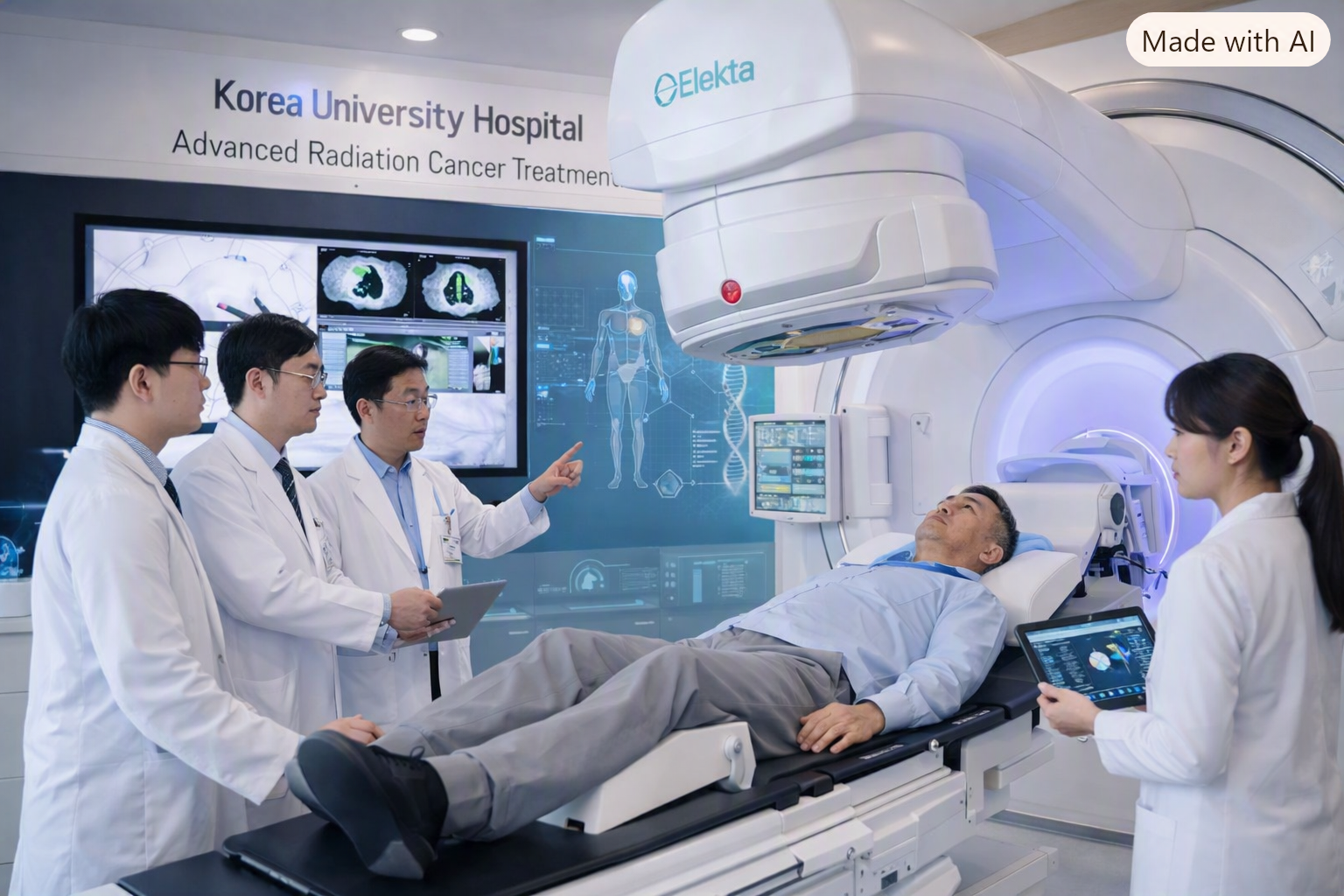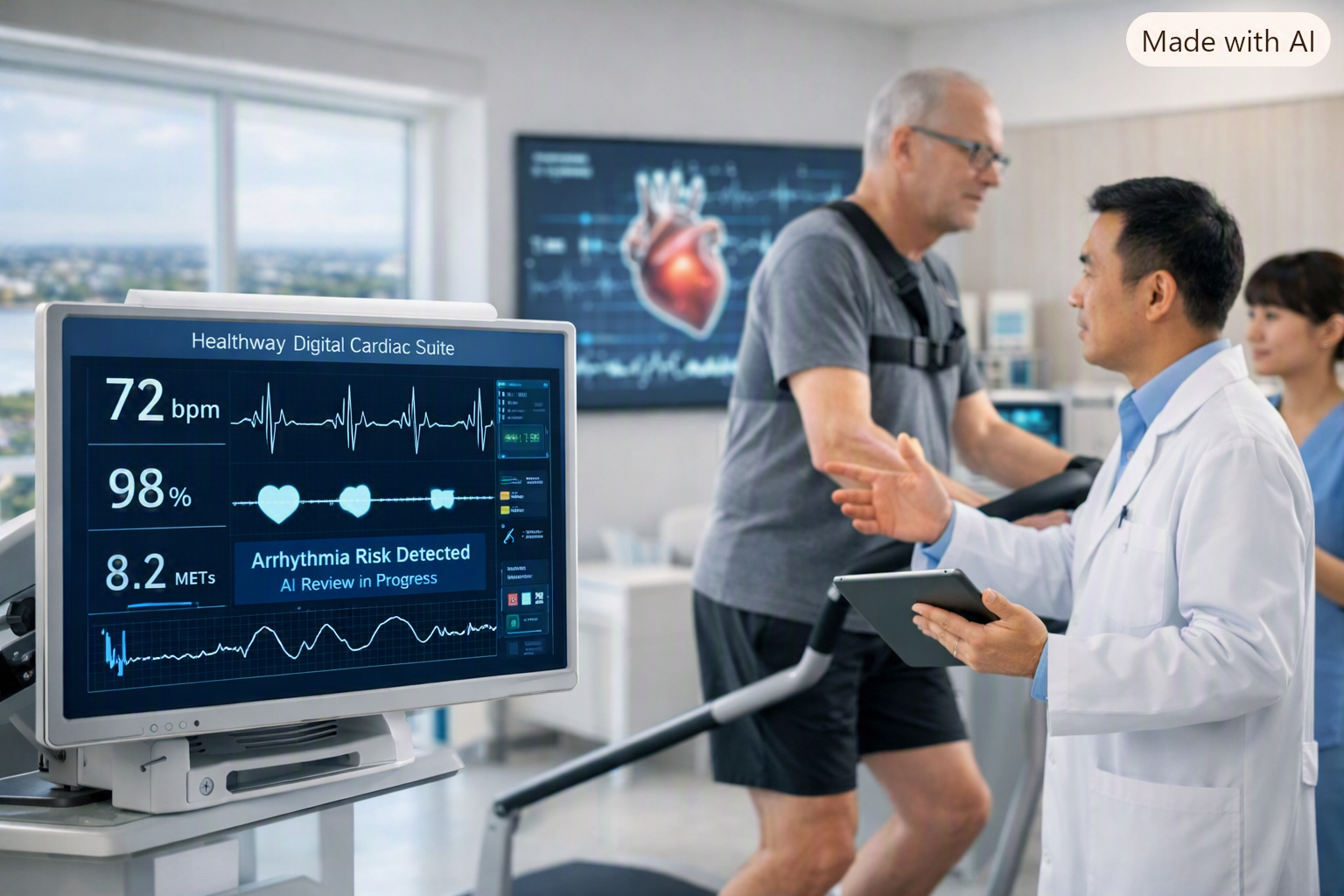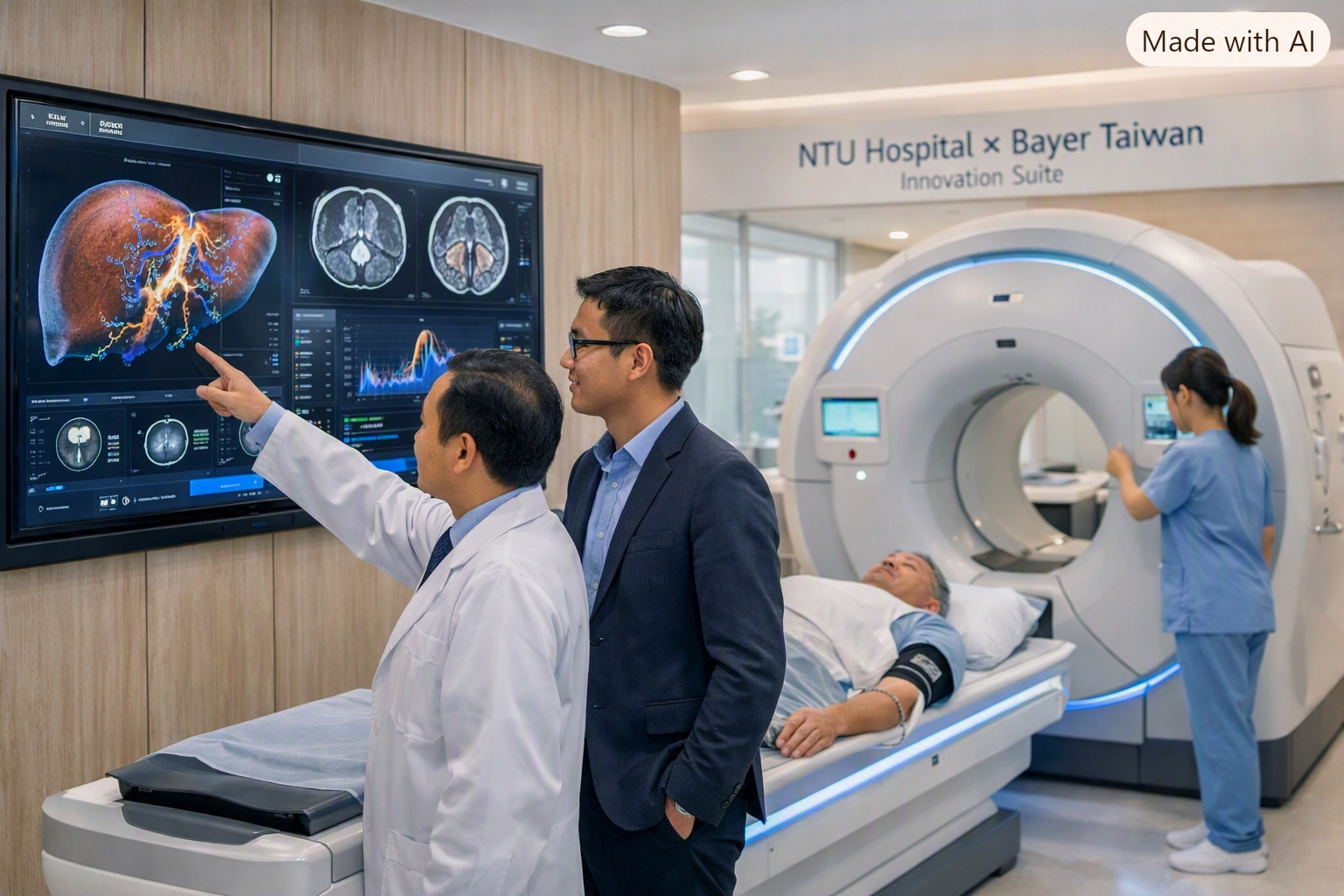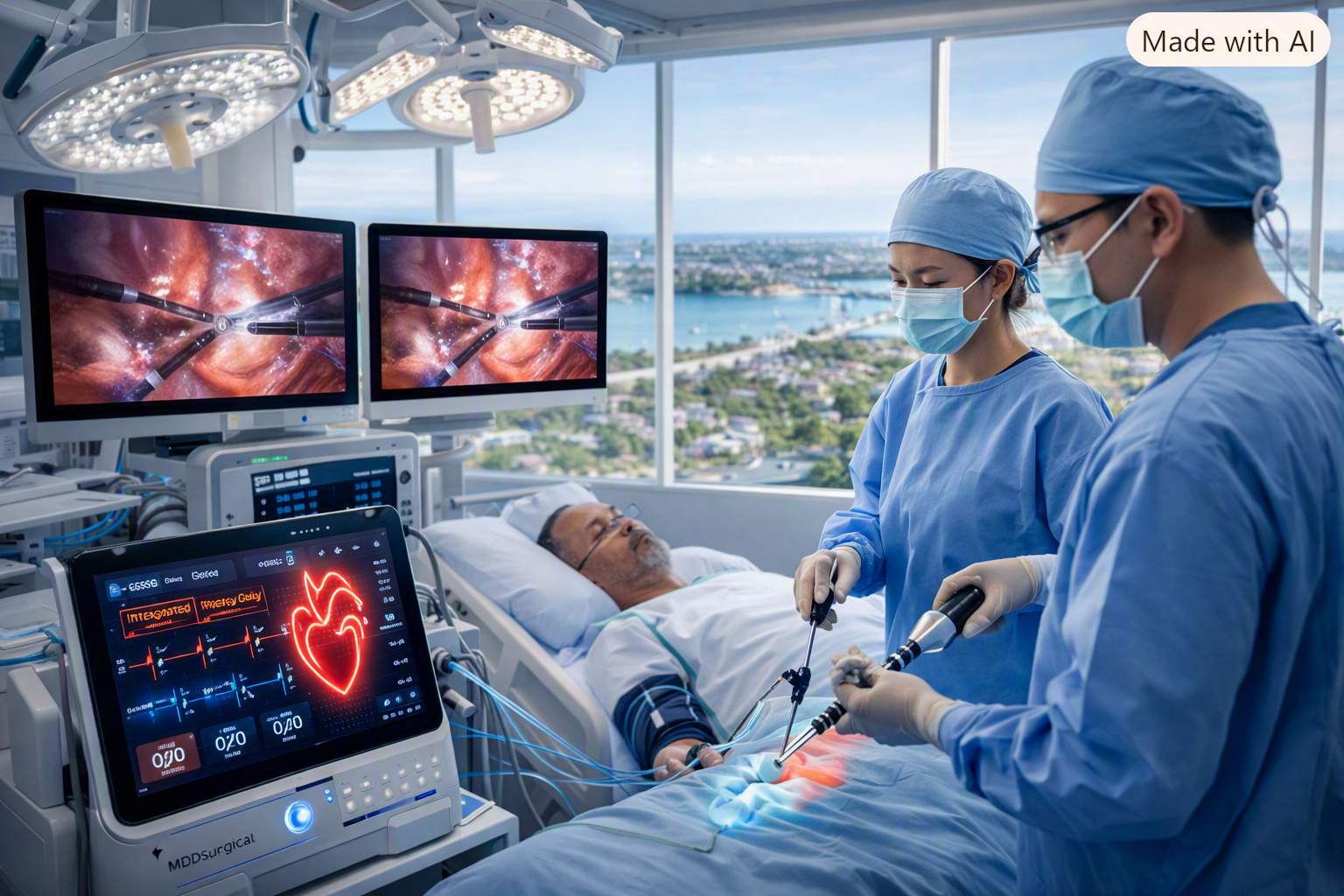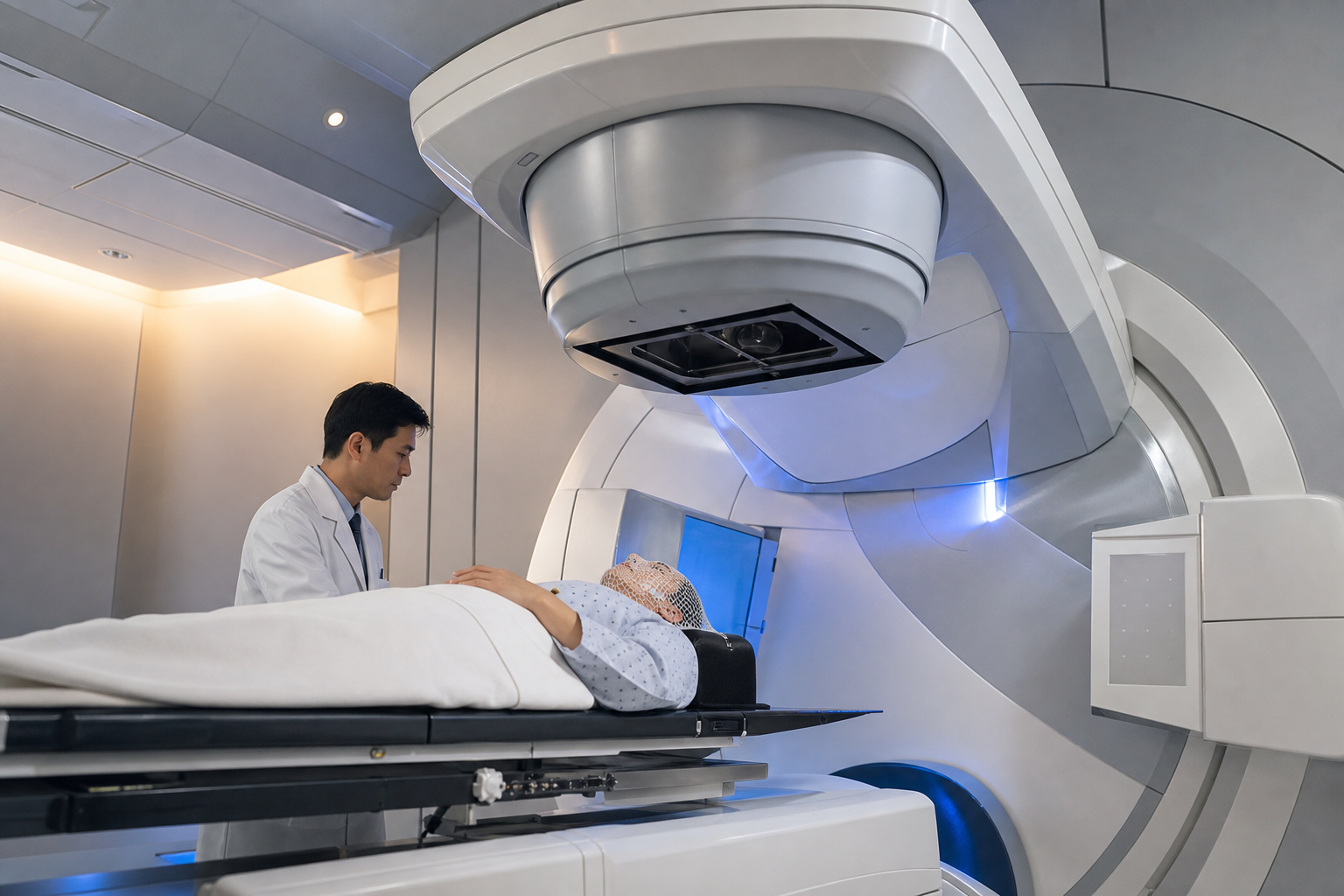
When facing a complex cancer diagnosis, the precision of your treatment can make all the difference in your long-term quality of life. You may be wondering: Is proton therapy truly more effective than traditional radiation, or is it just the latest trend? Here is the honest truth about how this technology targets tumors while sparing the healthy tissue you need for a faster recovery.
Proton therapy for cancer treatment has become one of the most sought-after options for patients across Asia who want world-class oncology care without compromising on precision. At Le Medica, we connect you with accredited proton therapy centres in South Korea, China, Taiwan, and beyond, so you can make this critical decision with confidence.
Proton Therapy vs. Traditional Radiation: The Honest Comparison
Before exploring who benefits most, let's look at how proton therapy stacks up against conventional photon-based radiation therapy
While both methods are used to treat cancer, they differ fundamentally in how they interact with your body.
Traditional Photon Radiation
Targeting: Beams pass through the body to reach the tumour.
Healthy Tissue Exposure: Higher; radiation is deposited both in front of and behind the tumour.
Side Effects: Higher risk of collateral damage to surrounding organs and skin.
Proton Therapy
Targeting: Protons stop precisely at the tumour site (the "Bragg Peak").
Healthy Tissue Exposure: Significantly lower; collateral radiation dose is minimized or eliminated.
Side Effects: Reduced acute and long-term toxicity, making it ideal for tumours near critical structures.
The Science Made Simple: What Is the Bragg Peak?
The key to understanding why proton therapy is so precise lies in a phenomenon called the Bragg Peak. When a beam of protons is fired into the body, the particles travel through tissue, depositing relatively little energy, and then release the vast majority of their radiation dose at a precise, pre-calculated depth. After that peak, the energy drops to near zero.
By contrast, conventional photon radiation (X-rays) enters the body, delivers its maximum dose near the skin surface, and continues passing through healthy organs beyond the tumour. This "exit dose" is what causes much of the collateral damage associated with traditional radiotherapy. With proton therapy, the exit dose is essentially eliminated, protecting critical structures like the heart, spinal cord, and lungs.
The clinical accuracy of the Bragg Peak effect is widely recognized by leading institutions, including the National Cancer Institute and the Mayo Clinic. However, the real-world application of this technology depends on your specific pathology. To see if your medical imaging qualifies for this precise treatment, book a pre-surgical review with our specialists.
Who Is Best Suited for Proton Therapy?
Proton therapy is not universally necessary for every cancer patient, but for specific situations, it offers advantages that no other radiation modality can match. The strongest candidates include:
Paediatric cancer patients: Children's developing bodies are exceptionally vulnerable to radiation scatter. Proton therapy dramatically reduces the risk of growth impairment, cognitive effects, and secondary cancers decades later. It is considered the standard of care for many childhood brain tumours and medulloblastomas.
Tumours near critical structures: Brain tumours, skull base cancers, ocular melanoma, head and neck cancers, and spinal tumours, anywhere a millimetre of precision matters, are prime indications. Clinical consensus from leading institutions highlights that proton therapy is often the gold standard for these complex locations. To determine if your specific imaging qualifies for this level of precision, book a pre-surgical teleconsultation with our oncology team here.
Breast cancer: For left-sided breast cancer in particular, proton therapy dramatically reduces the radiation dose reaching the heart compared with photon-based techniques, lowering long-term cardiac risk.
Lung cancer: Precision is crucial to avoid irradiating healthy lung parenchyma and the oesophagus.
Recurrent cancers: Patients who have already received radiation and need re-irradiation benefit enormously from proton therapy's ability to spare previously treated tissue.
Prostate cancer: While effective, it is worth noting that non-radiation alternatives exist for prostate cancer, including robotic surgery, focal ablation (HIFU), and active surveillance, and a thorough multidisciplinary discussion with your care team is essential before choosing any modality.
Not sure if your diagnosis warrants advanced intervention? Our pre-surgical imaging review is the first step in assessing your eligibility for proton therapy and determining if this, or other targeted modalities, is the best fit for your specific cancer profile.
Clinical Applications: Where Proton Therapy Is Used Today
Head, Neck, and Brain Cancers
These remain the most established indications. Proton therapy allows oncologists to escalate radiation doses to the tumour while keeping nearby structures, the optic nerves, brainstem, cochlea, and salivary glands, well within safe thresholds. Quality of life outcomes after proton therapy for head and neck cancer show significantly lower rates of dry mouth and swallowing difficulties compared with IMRT (intensity-modulated radiation therapy).
Lung Cancer
For stage I through III non-small cell lung cancer (NSCLC), proton therapy reduces the volume of healthy lung tissue irradiated. This translates directly into lower rates of radiation pneumonitis, an inflammation of the lung that can cause persistent cough, breathlessness, and, in severe cases, respiratory failure. Patients with compromised lung function benefit most from this precision.
Breast Cancer
Proton therapy for breast cancer is particularly valuable in left-sided cases where the heart lies directly in the radiation field. Studies have shown durable long-term reductions in heart disease risk. It also reduces the dose reaching the lung, lowering the risk of radiation-induced lung injury.
Paediatric Cancers
For children, the long-term consequences of radiation scatter are profound. Proton therapy has been shown to reduce the risk of neurocognitive decline, secondary malignancies, hormonal deficiencies, and skeletal growth problems in survivors, effects that may not manifest for decades.
Understanding your current diagnostic status is essential. For those seeking a comprehensive baseline before embarking on any oncology treatment, our 2026 health check-up guide outlines the specific biomarkers and imaging protocols that can help identify and track health risks early.
Understanding Proton Therapy Side Effects
Proton therapy is not without side effects. While the risk profile is generally more favourable than photon radiation, patients and families should set realistic expectations. According to the National Cancer Institute's Radiation Side Effects Guide, common effects include:
Fatigue: The most commonly reported side effect. It typically accumulates over the treatment course (usually 3–8 weeks) and may persist for weeks after the final session. Rest, gentle exercise, and nutritional support are the primary management tools.
Skin irritation: Localised redness, dryness, or peeling at the treatment entry point. Usually mild with proton therapy compared with photon techniques.
Site-specific effects: Lung inflammation (pneumonitis) with thoracic treatments; dry mouth or hearing changes with head/neck treatments; bowel or urinary changes with pelvic treatments.
Long-term risks, while lower than with photon therapy, are not zero. These can include fibrosis of irradiated tissue and, in rare cases, secondary radiation-induced cancers, though the absolute risk of secondary malignancy is considered lower with proton therapy than with traditional photon radiation.
The Technology and Its Cost
A proton therapy machine, called a cyclotron or synchrotron, accelerates protons to roughly 60% of the speed of light. The entire system, including the rotating gantry that allows beams to be directed from multiple angles, can weigh over 200 tonnes and cost between USD $100 million and $200 million to build and install. This infrastructure cost is why proton therapy remains more expensive than conventional radiation — typically USD $30,000 to $120,000 per course, depending on the country and clinical complexity — though costs in Asia (particularly South Korea, China, and Taiwan) are substantially more accessible than in the United States.
Through Le Medica's hospital network, we help international patients access proton therapy at world-class centres with full concierge coordination. See how our process works or explore our partner hospitals.
What's New: AI-Driven Radiotherapy Planning in 2026
Proton therapy is entering a new era. By 2026, AI-driven radiotherapy planning systems are enabling oncologists to generate and optimise treatment plans in a fraction of the time previously required. These tools analyse thousands of prior treatment datasets to propose beam angles, dose distributions, and adaptive adjustments in real time. For patients, this means faster planning, fewer simulation sessions, and even greater precision, particularly for tumours that shift position due to breathing or organ movement.
While proton therapy is a highly specialized radiation modality, it is often part of a broader shift toward advanced, less invasive cancer care in Asia. We have previously detailed the rise of needle-free cancer surgery innovations, which, like proton therapy, prioritize precision and minimal damage to healthy tissue.
Why Choose Le Medica?
We understand that choosing a specialised cancer treatment abroad is a decision rooted in trust, precision, and urgency. Our patient pathways are built on a 3-step structural enhancement designed to provide you with clinical confidence and peace of mind:
Clinical Vetting & Imaging Review: Before you commit to travel, our multidisciplinary oncology team reviews your specific pathology and imaging results. This ensures that proton therapy is the most effective approach for your tumour location and that you are an ideal candidate for this specific modality.
Concierge-Managed Surgical Journey: We act as your single point of contact, coordinating every detail—from pre-operative teleconsultations with your lead oncologist to travel logistics and on-site translation. You are never navigating the complexities of international healthcare alone.
Localized Aftercare & Support: Our support extends well beyond your final radiation session. With 24/7 access to local coordinators and scheduled nursing check-ins, we ensure your recovery is monitored and any immediate concerns are addressed, providing a seamless transition from the clinic back to your home environment.
Frequently Asked Questions About Proton Therapy
What are the primary disadvantages of proton beam therapy?
The main disadvantages are cost and limited availability. Proton therapy centres require enormous capital investment, meaning they are concentrated in major medical hubs. Treatment courses can cost significantly more than conventional radiotherapy, and not all insurance policies cover the full expense. Additionally, for some cancer types, clinical evidence of superiority over modern photon techniques (such as IMRT or SBRT) remains under active investigation.
Who is a good candidate for proton therapy?
The strongest candidates are paediatric patients, patients with tumours adjacent to critical organs (brain, spinal cord, optic nerves, heart), those requiring re-irradiation of previously treated areas, and patients with early-stage lung or left-sided breast cancer where reducing radiation scatter to nearby organs is clinically important. Your oncologist will assess tumour location, stage, prior treatments, and your overall health to determine suitability.
How does a proton therapy machine work, and why is it so expensive?
A proton therapy system uses a particle accelerator, either a cyclotron or synchrotron, to accelerate hydrogen protons to near-relativistic speeds. These protons are then guided through a beamline into a treatment room, where a rotating gantry precisely directs the beam at the tumour from multiple angles. The scale of engineering required, involving superconducting magnets, shielding vaults, and highly specialised physics teams, makes these facilities among the most complex medical installations in the world, with total construction costs often exceeding USD $150 million.
What are the potential long-term side effects of proton therapy?
Long-term side effects depend heavily on the treatment site. They may include tissue fibrosis, hormonal changes (particularly after pelvic or brain irradiation), changes in bone density near the treatment field, and, in rare cases, secondary radiation-induced malignancies. However, because proton therapy reduces dose to surrounding healthy tissue, the overall risk of long-term toxicity is considered meaningfully lower than with equivalent photon-based treatments.
How do I manage fatigue during and after proton therapy?
Proton therapy fatigue is real and should not be dismissed. Evidence-based strategies include maintaining light aerobic activity (even short daily walks), prioritising sleep hygiene, eating nutrient-dense meals to support cellular repair, and staying well-hydrated. Most patients find fatigue peaks in the second or third week of treatment and gradually resolves within four to six weeks of completing the course. Your Le Medica care coordinator can connect you with oncology nutritionists and rehabilitation specialists.
What are the side effects of proton therapy for lung cancer?
The most significant concern is radiation pneumonitis, inflammation of the lung tissue, which can cause dry cough, low-grade fever, and shortness of breath, typically appearing one to three months after treatment. Proton therapy substantially reduces the volume of healthy lung irradiated compared with photon techniques, lowering (but not eliminating) this risk. Oesophagitis and fatigue are also common; this is a documented risk with proton therapy for prostate cancer, as it is with all radiation-based treatments for this cancer type. The nerves and blood vessels responsible for erection lie in close proximity to the prostate. Studies suggest proton therapy may offer modest advantages over conventional photon radiation in preserving sexual function, though outcomes vary significantly by patient age, baseline function, and tumour characteristics. Patients should discuss this risk explicitly with their radiation oncologist. For patients concerned about this side effect, alternative approaches — including robotic-assisted prostatectomy, focal ablation (HIFU), or active surveillance for low-risk disease, merit serious consideration.
Is proton therapy effective for breast cancer?
Yes. Proton therapy for breast cancer is increasingly used, particularly for left-sided tumours where the heart lies in the radiation field. By sharply reducing cardiac dose, proton therapy lowers long-term risk of radiation-induced heart disease — a meaningful concern, especially for younger patients who will live with these effects for decades. It also reduces the dose to the ipsilateral lung. While not yet standard of care for all breast cancer patients, it is strongly considered for those at higher cardiac risk or those needing more complex chest wall and nodal irradiation.
Does proton therapy eliminate the risk of secondary cancers?
No, it reduces it, but does not eliminate it entirely. All forms of ionising radiation carry some theoretical risk of inducing secondary malignancy. However, because proton therapy significantly curtails the volume of healthy tissue receiving incidental radiation dose, the absolute risk of radiation-induced secondary cancers is considered lower than with equivalent photon treatments. This is one of the most compelling arguments for proton therapy in paediatric patients, who have decades of life ahead of them.
What does the recovery process look like for patients?
Most patients receive proton therapy as outpatients over a course of 3 to 8 weeks, depending on cancer type and protocol. Each daily session takes 15 to 45 minutes, including setup time. There is no surgical recovery in the traditional sense. Acute side effects, fatigue, skin irritation, and localised discomfort typically begin in the second or third week and resolve within four to six weeks of completing treatment. Patients are generally able to continue light daily activities throughout. Follow-up imaging is scheduled at regular intervals to assess treatment response.
Access Proton Therapy Through Le Medica
Navigating a complex cancer diagnosis is overwhelming, but you do not have to do it alone. The effectiveness of proton therapy relies heavily on whether your specific tumour profile and pathology are the right fit for this targeted modality.
Our clinical team is ready to help you gain clarity. Book your pre-surgical teleconsultation with our team here. We will coordinate a professional review of your imaging and pathology to determine if proton therapy is the most effective path forward, ensuring you have the evidence-based roadmap you need to make the right decision for your health.