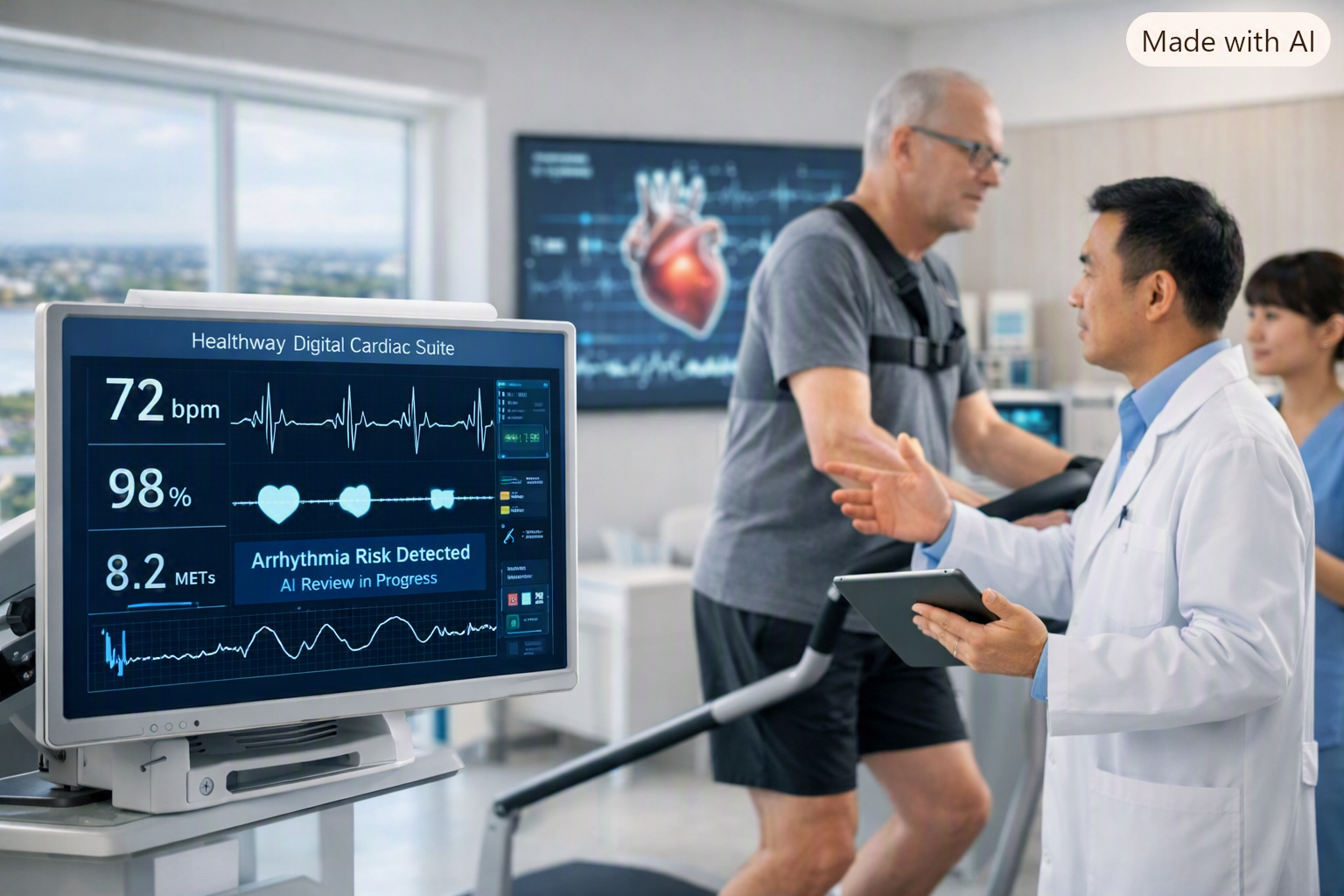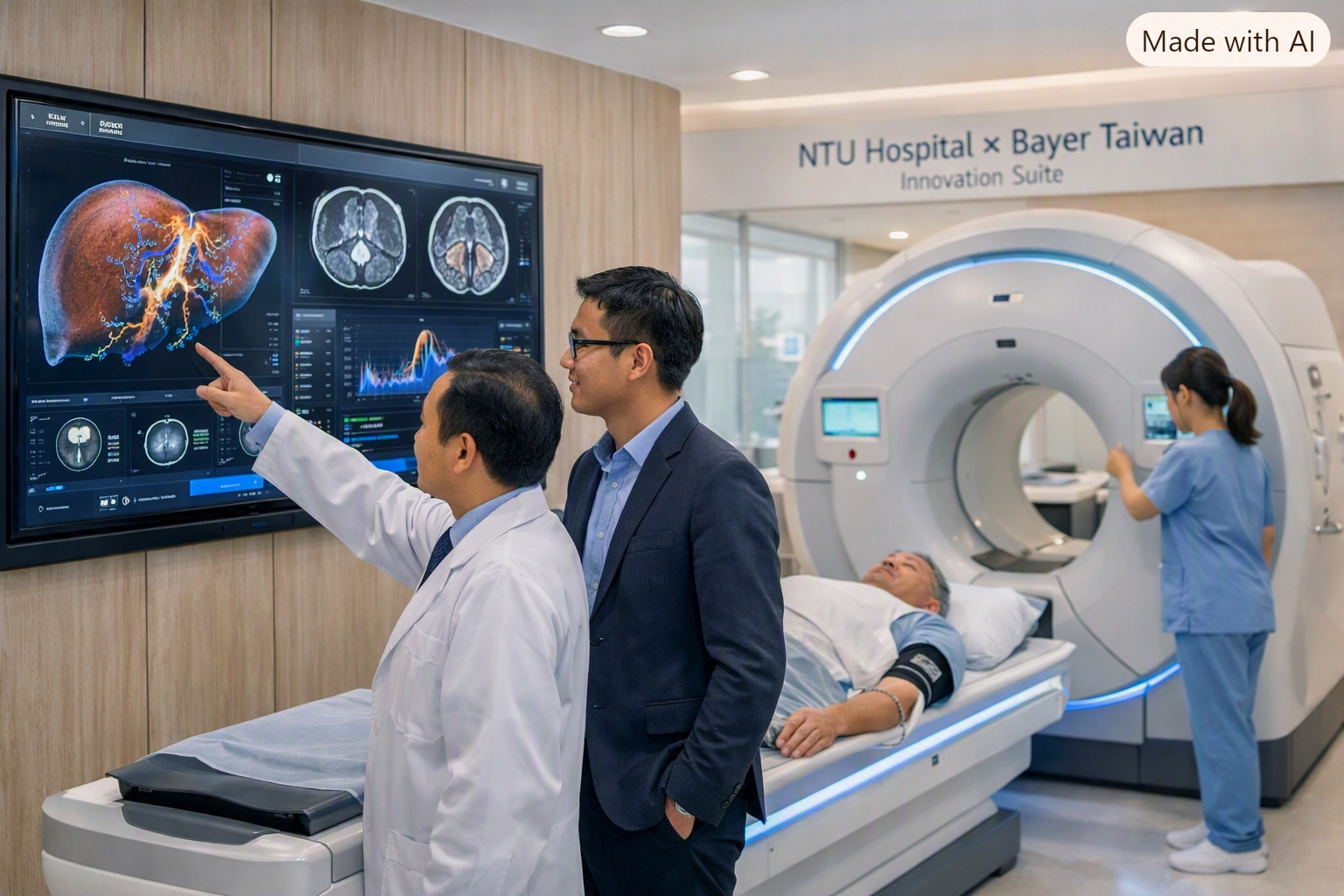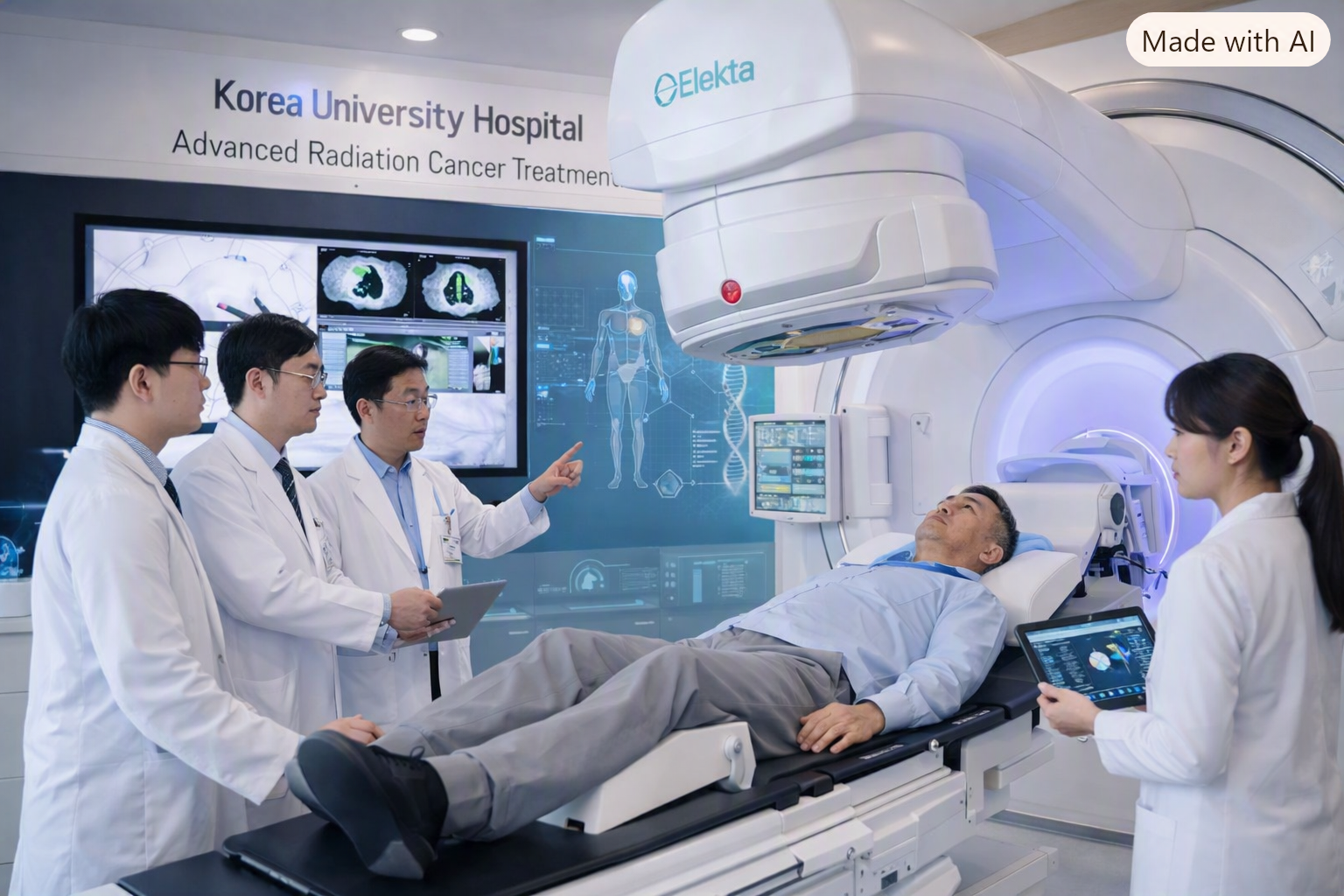
South Korea has long been recognized as a global leader in cancer care — and a major new development at one of its top university hospitals is raising the bar even higher. A leading Korean university hospital has rolled out advanced radiation technology that promises more precise, effective, and patient-friendly cancer treatment than ever before. For international patients exploring their options, this is exactly the kind of breakthrough worth knowing about.
What's Happening: A New Era in Radiation Oncology
According to a report by Healthcare Asia Magazine, a Korean university hospital has officially launched a new generation of advanced radiation cancer treatment technology. This rollout places the institution at the forefront of oncology innovation — not just within Asia, but on a global scale.
The new system represents a significant leap forward in radiation therapy capabilities. Modern radiation oncology platforms of this caliber typically include technologies such as stereotactic body radiation therapy (SBRT), intensity-modulated radiation therapy (IMRT), and image-guided radiation therapy (IGRT) — all designed to target tumors with sub-millimeter precision while minimizing damage to surrounding healthy tissue.
For patients who have been told their cancer is inoperable, or for those seeking an alternative to traditional surgery, advanced radiation therapy opens doors that were previously closed. The goal is not just to treat cancer — it is to do so with fewer side effects, shorter treatment times, and better long-term outcomes.
Why South Korea Is a Global Oncology Powerhouse
South Korea's reputation in cancer care is well earned. The country consistently ranks among the top nations globally for cancer survival rates, particularly for cancers of the stomach, colon, thyroid, and liver. Korean university hospitals — institutions like Seoul National University Hospital, Asan Medical Center, Samsung Medical Center, and Yonsei Severance Hospital — operate at a scale and sophistication that rivals the best facilities in the United States and Europe.
What makes these hospitals particularly compelling for international patients is the combination of world-class outcomes and significantly lower costs. A full course of radiation therapy in South Korea can cost between $15,000 and $45,000 USD, depending on the type of treatment and number of sessions — compared to $50,000 to $100,000 or more for similar care in the United States. Even accounting for travel and accommodation, the savings can be substantial.
South Korea also has a highly streamlined system for receiving international patients. Many major hospitals have dedicated international patient centers with multilingual coordinators, expedited appointment scheduling, and assistance with visas and logistics. Wait times for cancer treatment consultations are often measured in days, not months.
Why This Matters Now
The timing of this technology rollout is significant. As cancer rates continue to rise globally — the World Health Organization estimates that there will be approximately 35 million new cancer cases per year by 2050, up 77% from current levels — the demand for cutting-edge, accessible cancer treatment has never been greater. Patients around the world, particularly those in regions where advanced oncology infrastructure is limited, are increasingly looking to countries like South Korea for solutions.
The adoption of next-generation radiation platforms also signals that Korean university hospitals are actively investing in staying ahead of the curve. This isn't incremental improvement — it's a strategic commitment to leading global oncology. For patients making decisions about where to seek treatment, knowing that a hospital is deploying the latest technology is a meaningful indicator of the quality of care they can expect.
Furthermore, radiation oncology is increasingly being used not just as a standalone treatment, but as part of integrated, multidisciplinary cancer care protocols. Combined with immunotherapy, targeted drug therapy, and surgical options, advanced radiation technology makes comprehensive cancer treatment programs even more powerful.
What Types of Cancer Can Advanced Radiation Treat?
Modern radiation therapy platforms are remarkably versatile. Depending on the specific technology deployed, they can be used to treat a wide range of cancers, including:
Lung cancer (including early-stage and locally advanced)
Prostate cancer
Breast cancer
Brain tumors and metastases
Liver and pancreatic cancers
Colorectal cancer
Head and neck cancers
Spinal tumors
Many of these applications are particularly suited to patients who cannot tolerate surgery due to age, comorbidities, or tumor location. Stereotactic radiosurgery, for instance, can deliver highly targeted, high-dose radiation to brain lesions in as few as one to five sessions — with patients often going home the same day.
How Le Medica Helps You Navigate Cancer Treatment Abroad
Deciding to seek cancer treatment outside your home country is one of the most significant decisions a person can make. It requires careful research, a deep understanding of your diagnosis, and confidence that the medical team you're trusting has both the technology and the expertise to deliver the best possible outcome. That's where Le Medica comes in.
Le Medica is a concierge medical tourism platform dedicated to connecting English-speaking international patients with the best hospitals across South Korea, China, Malaysia, Thailand, and Taiwan. Our experienced team helps you compare treatment options across multiple world-class institutions, coordinate consultations and second opinions, and plan every aspect of your treatment journey — from initial inquiry to post-treatment follow-up.
We work with hospitals that have proven oncology programs and a strong track record with international patients. We understand that when you're dealing with a cancer diagnosis, you don't have time to navigate bureaucracy or language barriers alone. We handle the complexity so you can focus on what matters most: getting well.
Frequently Asked Questions
How do I know if I'm a candidate for advanced radiation therapy in South Korea?
Candidacy for radiation therapy depends on your specific cancer type, stage, and overall health. The best first step is to share your medical records — including pathology reports, imaging, and treatment history — with a Korean oncology team for review. Le Medica can facilitate this process, connecting you with the right specialists and helping you get a professional opinion quickly, often within a few business days.
How long would I need to stay in South Korea for radiation treatment?
Treatment duration varies significantly depending on the type of radiation therapy and your diagnosis. Some stereotactic treatments can be completed in one to five sessions over a week or less. Traditional IMRT courses may span four to seven weeks. Your care team will outline a personalized schedule during your initial consultation, and Le Medica can help you plan your stay accordingly — including accommodation near the hospital.
Are Korean university hospitals accredited for international patients?
Yes. Many of South Korea's leading university hospitals hold Joint Commission International (JCI) accreditation, which is widely regarded as the gold standard in global healthcare quality. These institutions are audited against rigorous safety, clinical, and patient care standards, giving international patients a high level of assurance before they travel.
What does cancer treatment in South Korea typically cost compared to Western countries?
Costs vary based on cancer type, treatment protocol, and duration, but international patients generally find that treatment in South Korea costs 50–70% less than equivalent care in the United States, United Kingdom, or Australia. For a detailed, personalized cost estimate based on your specific case, Le Medica can request quotes from multiple hospitals on your behalf.
Ready to Explore Your Options?
If you or a loved one is navigating a cancer diagnosis and exploring treatment options abroad, South Korea's world-class oncology infrastructure — now enhanced with the latest generation of radiation technology — deserves serious consideration. The right treatment, at the right hospital, can make all the difference. Let Le Medica help you find it. Contact our team today for a free, no-obligation consultation and start your journey toward better care.
References
Healthcare Asia Magazine. Korean university hospital rolls out advanced radiation cancer treatment tech - Healthcare Asia Magazine [Internet]. 13 Aug 2026. Available from: https://news.google.com/rss/articles/CBMixwFBVV95cUxQeXgxTnczVmlxd0NiMmlpOW5RMU16TGx2aHE4ZWxiQkVkMXJMbXBIY1FlR0xpdmY5bzZ1bWFnR0xpYW1BcTFVV3BpTzJMaEdOdGo0TWZMSXhGY3N6R1ZzU2o3TlZJVlFfTTZESHAxeDd5Mzl4S3RvR1htUDlySzVDYVlNQXA5SzBFWnRsaXNnN09wZ2ZoOGx5VmI4d2l2SDYtU3BmaWVHMmJZc2JUbHJObzZnNVhadUtNSzVUOW5qUGkxWVhlYVpn?oc=5