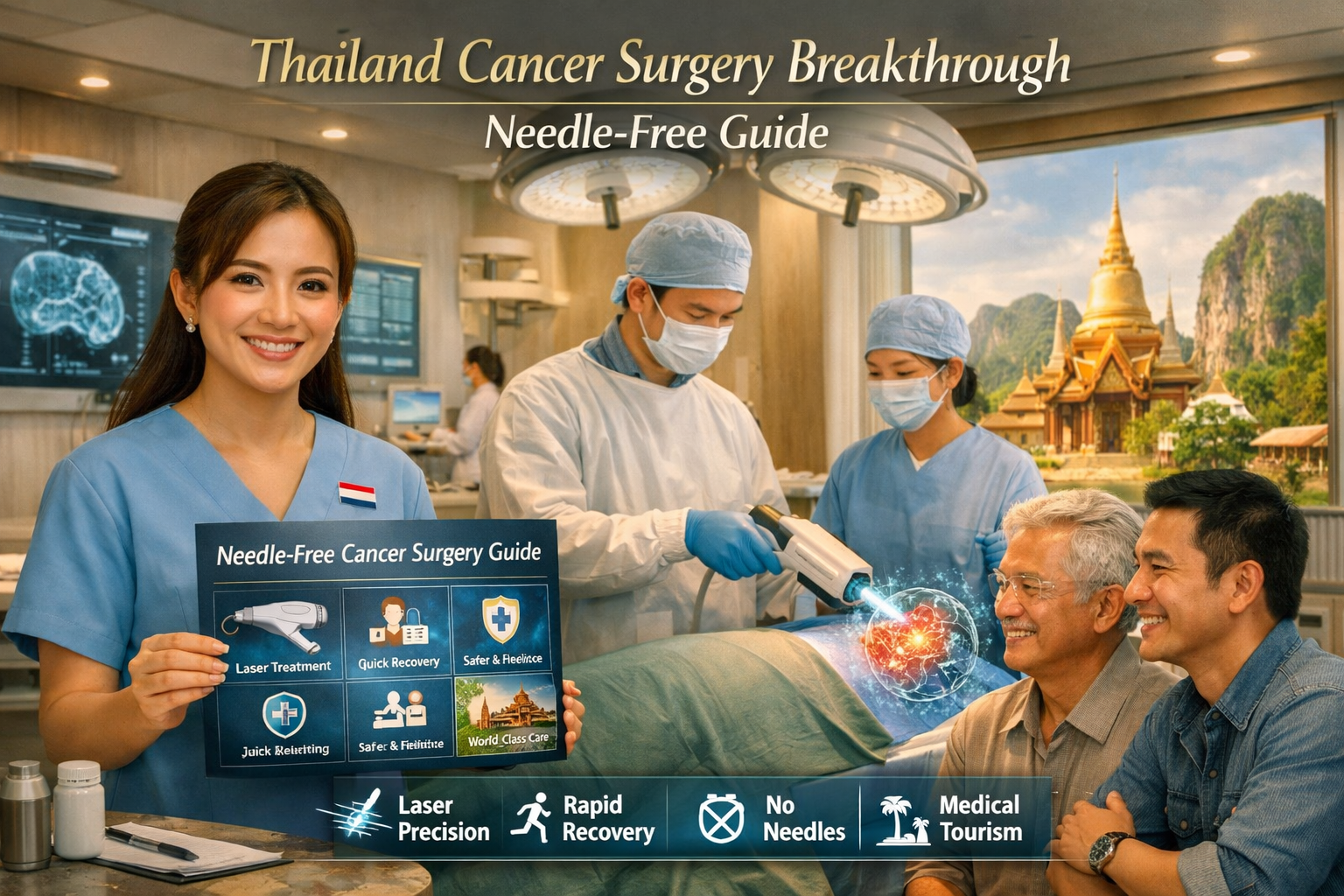
A quiet revolution is unfolding in oncology suites across Southeast Asia — and Thailand is leading the charge. A groundbreaking needle-free device is reshaping how cancer surgery is performed, managed, and experienced, putting Thailand firmly on the radar of international patients seeking faster recovery and world-class outcomes without the wait times or costs of Western healthcare systems.
Thailand Cancer Surgery Breakthrough With Needle-Free Device: What You Need to Know
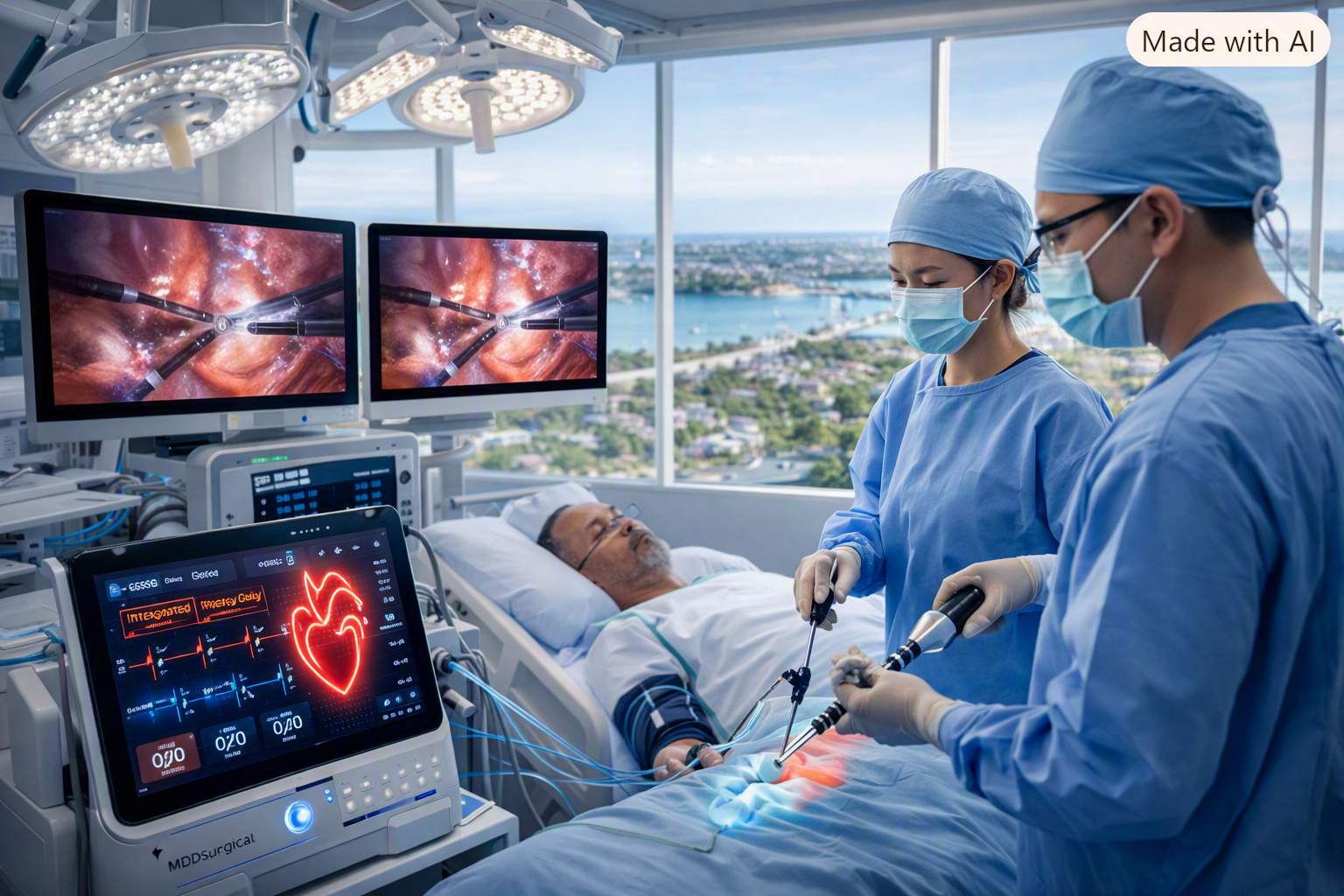
The Thailand cancer surgery breakthrough with needle-free technology represents one of the most significant shifts in oncological care to emerge from Asia in recent years. According to reporting covered across global travel and health media, Thai hospitals are deploying advanced needle-free injection systems and minimally invasive surgical tools that dramatically reduce patient discomfort, lower infection risk, and accelerate post-operative healing. For international patients already drawn to Thailand's competitive pricing and internationally accredited hospitals, this development raises the bar even further.
Needle-free drug delivery systems work by using precisely controlled pressure — rather than a conventional hypodermic needle — to administer medications, anesthetics, or targeted oncological agents directly through the skin. In a cancer surgery context, this technology is being used to deliver pre-operative sedation, localized anesthesia, and post-surgical pain management with fewer complications and a dramatically reduced risk of needle-stick injuries or contamination. The result is a cleaner, calmer surgical experience with shorter hospital stays.
Why This Matters Now
The timing of this innovation could not be more strategic. Global cancer diagnoses are projected to rise by more than 60% over the next two decades according to the World Health Organization, creating enormous pressure on healthcare systems worldwide. Simultaneously, medical tourism has rebounded strongly post-pandemic, with Asia-Pacific destinations accounting for a growing share of international patient flows. Thailand alone welcomed an estimated 2.5 million medical tourists in 2023, generating over USD $600 million in healthcare-related revenue.
For patients in the United States, United Kingdom, Australia, and across the Middle East, the economics of traveling to Thailand for cancer treatment remain strikingly compelling. A complex oncological surgical procedure that might cost USD $80,000–$150,000 in the United States can often be performed at a JCI-accredited Thai hospital for USD $15,000–$40,000 — with comparable or superior outcomes, English-speaking surgical teams, and now, cutting-edge needle-free technologies that many Western centers have yet to fully adopt.
This story was highlighted in global health and travel media as a signal that Asian medical destinations are no longer simply offering affordable alternatives — they are actively driving innovation. Read the original coverage at Travel And Tour World's report on Thailand's needle-free surgical advancement.
How Needle-Free Technology Transforms the Cancer Surgery Experience
For patients already anxious about a cancer diagnosis, the prospect of multiple needle-based injections, IV lines, and blood draws compounds the emotional and physical burden of treatment. Needle-free systems address this directly. Clinical studies have shown that patients receiving needle-free anesthesia delivery report up to 40% lower pre-operative anxiety scores compared to those receiving conventional injections. Reduced anxiety correlates directly with better surgical outcomes, lower anesthetic requirements, and faster return to baseline health.
Beyond patient comfort, the clinical advantages are significant. Needle-free delivery eliminates the micro-trauma caused by repeated needle insertions, which can be particularly consequential for cancer patients whose immune systems may already be compromised by chemotherapy or radiation. Hospitals in Bangkok and Chiang Mai are among the first in Southeast Asia to integrate these systems into their standard oncological surgery protocols, particularly for breast cancer, colorectal cancer, hepatic tumors, and thyroid malignancies — some of the most commonly treated cancers among international patients seeking care abroad.
Thailand's Broader Oncology Ecosystem
The needle-free breakthrough does not exist in isolation. It is part of a broader, deliberate investment by Thailand's healthcare sector in becoming a regional hub for advanced cancer care. Bangkok's flagship medical institutions — including Bumrungrad International Hospital, Bangkok Hospital, and Samitivej — consistently rank among the top hospitals in Asia and hold Joint Commission International (JCI) accreditation, the global gold standard for hospital quality and safety.
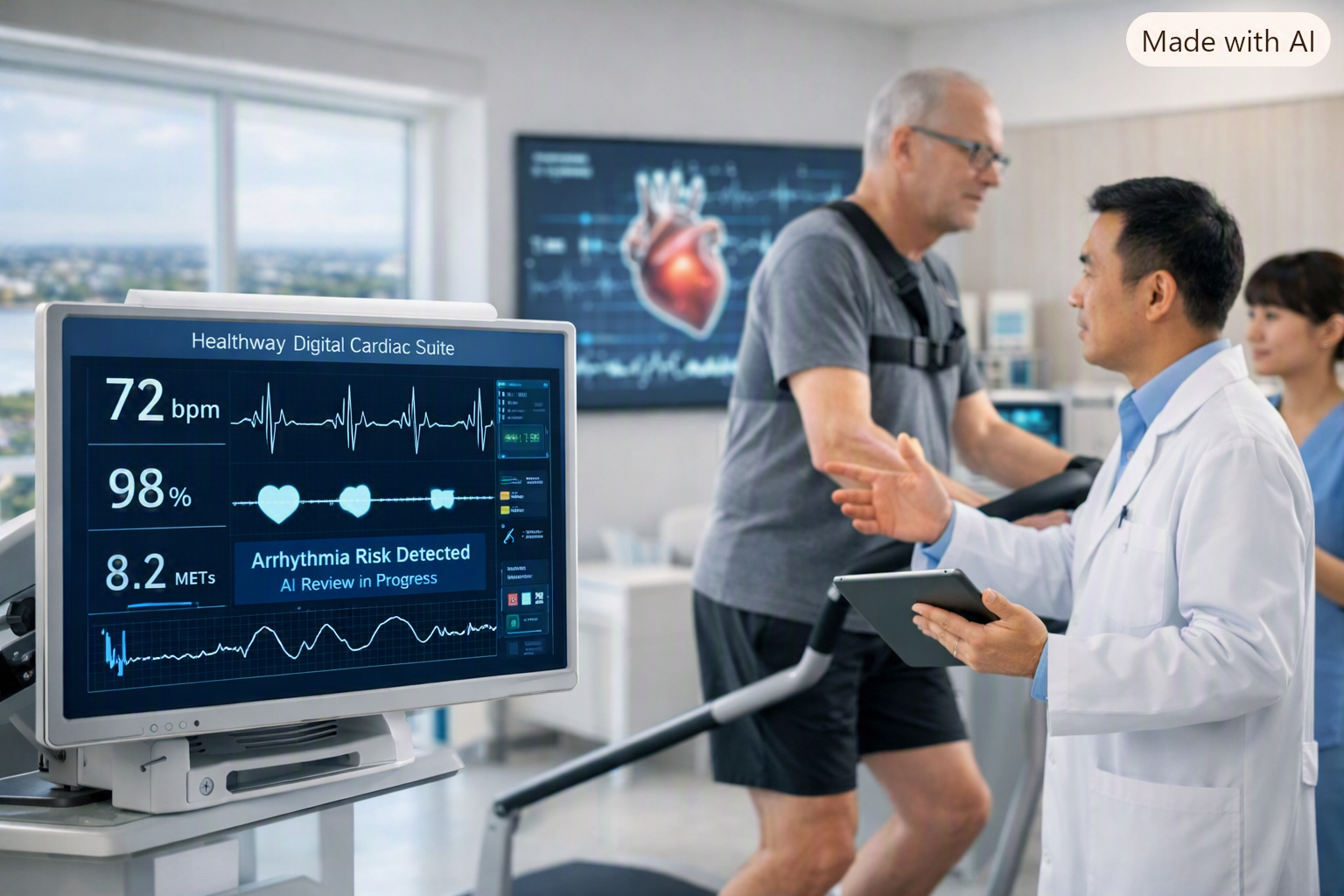
These institutions now offer multidisciplinary cancer care teams, robotic-assisted surgery (including the da Vinci Surgical System), proton therapy planning consultations, genomic tumor profiling, and integrated holistic recovery programs that combine medical precision with Thailand's world-renowned hospitality culture. The needle-free device innovation slots neatly into this ecosystem as yet another layer of patient-centered care designed to attract and retain discerning international patients.
Comparing Cancer Surgery Options Across Asia
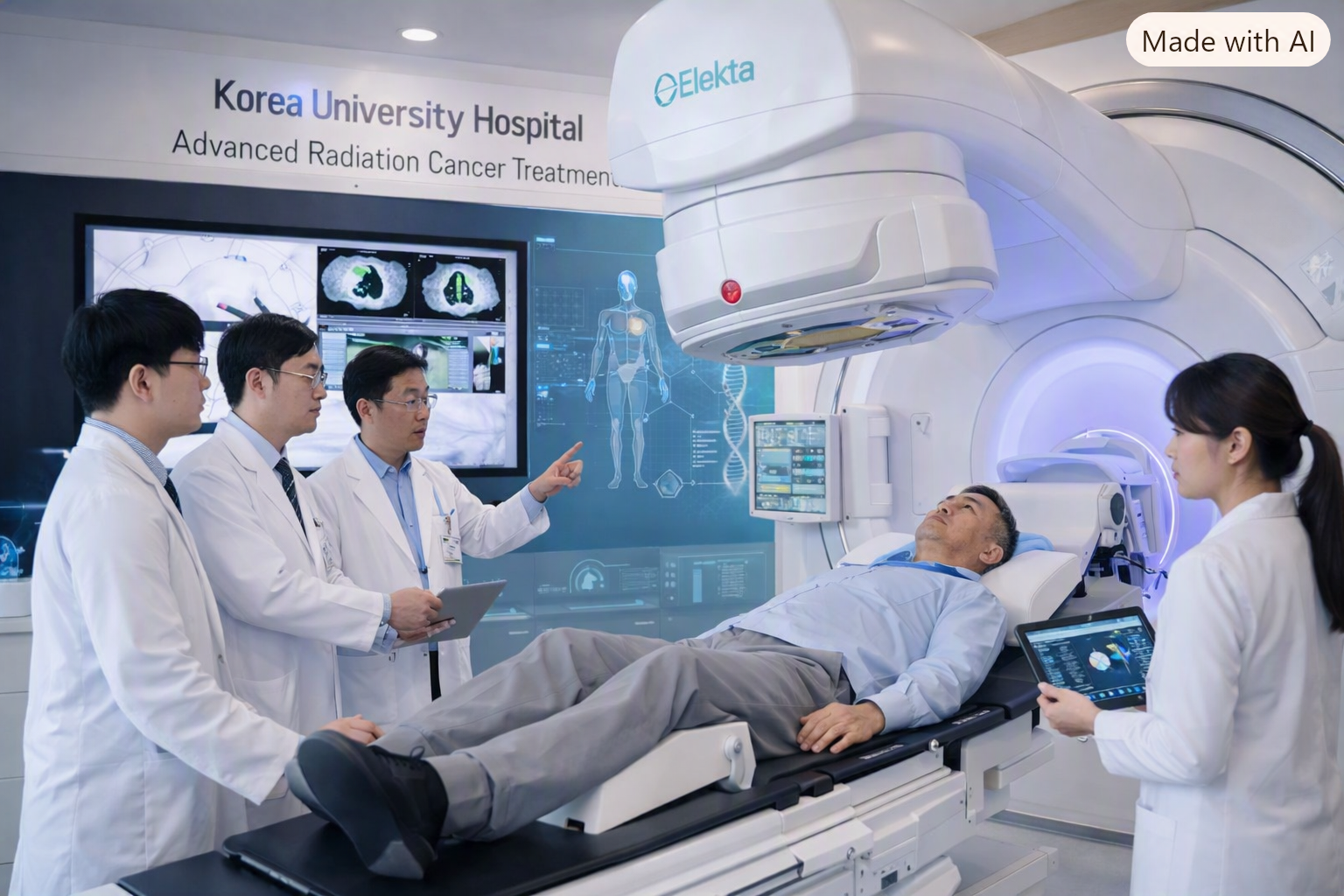
Thailand is not the only Asian destination making waves in oncological innovation. Patients exploring treatment options through platforms like Le Medica are increasingly comparing Thailand with South Korea, Malaysia, Taiwan, and China — each offering distinct advantages:
South Korea leads in robotic surgery precision and cutting-edge immunotherapy protocols, with cancer surgery costs ranging from USD $20,000–$50,000.
Malaysia offers strong English-language support, shorter travel times from the Middle East and Australia, and highly competitive pricing, often 30–50% below Thai equivalents.
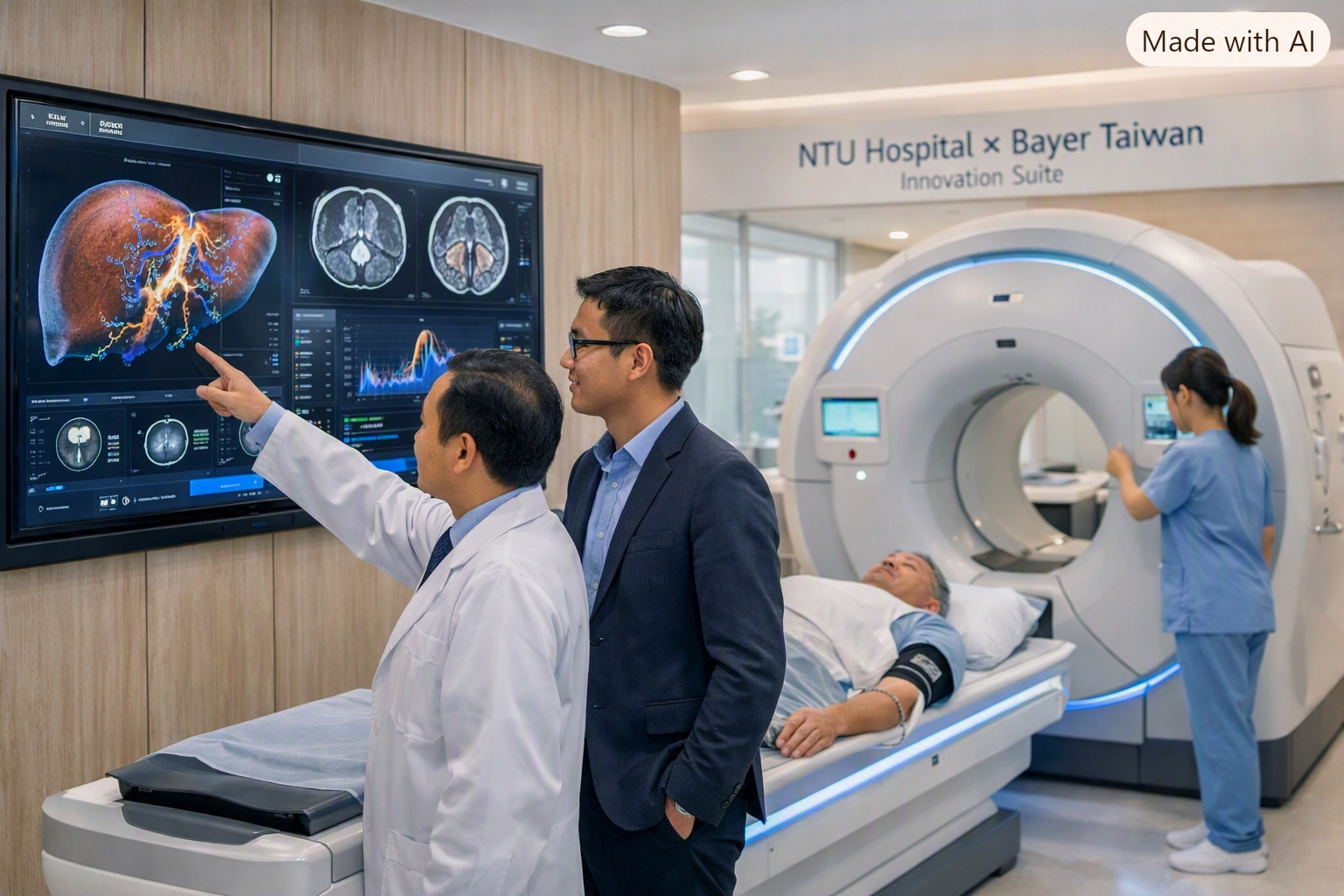
Taiwan is renowned for its early-detection screening programs and proton therapy centers, attracting patients specifically seeking advanced radiological oncology.
China has emerged as a powerhouse for TCM-integrated cancer recovery programs alongside conventional surgery, with Tier-1 hospitals in Shanghai and Beijing offering comprehensive oncology packages from USD $12,000 upward.
Understanding these distinctions — and matching them to an individual patient's specific cancer type, stage, budget, and lifestyle preferences — is precisely where a coordinated medical tourism service like Le Medica delivers real value.
How Le Medica Supports Your Cancer Treatment Journey
Navigating cancer treatment abroad is not a decision any patient should make alone or based on a single headline. Le Medica's concierge team works with international patients to gather medical records, facilitate expert second opinions from top oncologists across Asia, compare treatment protocols and costs across multiple accredited hospitals, and coordinate every logistical detail — from visa support to post-operative accommodation and follow-up care planning. Our goal is to ensure that every patient arrives informed, supported, and confident in their choice.
Frequently Asked Questions
Is cancer surgery in Thailand truly safe for international patients?
Yes. Thailand's leading cancer surgery hospitals hold JCI accreditation and are staffed by surgeons who have often trained at institutions in the United States, United Kingdom, or Europe. Patient safety protocols, infection control standards, and surgical outcomes are rigorously tracked and comparable to top Western hospitals. The introduction of needle-free technologies further enhances safety by reducing infection vectors.
How much can I realistically save on cancer surgery in Thailand versus the United States?
Savings vary by procedure but are typically substantial. For example, a mastectomy with reconstruction in the US can cost USD $40,000–$80,000. The same procedure at a top Bangkok hospital generally ranges from USD $8,000–$18,000, inclusive of surgical fees, anesthesia, hospital stay, and nursing care. Even accounting for international travel and accommodation, patients frequently save USD $20,000 or more.
What does "needle-free" mean in the context of cancer surgery?
Needle-free technology refers to drug delivery systems that use controlled pressure — rather than hypodermic needles — to administer medications through the skin. In oncological surgery, this is used for anesthesia, sedation, and post-operative pain management. It reduces patient anxiety, eliminates needle-related complications, and is particularly beneficial for immunocompromised cancer patients.
Can Le Medica help me compare cancer treatment options across multiple countries?
Absolutely. Le Medica specializes in helping international patients evaluate and compare oncology care options across Thailand, South Korea, Malaysia, Taiwan, and China. Our team provides personalized guidance based on your specific diagnosis, treatment needs, budget, and preferred travel logistics — all at no cost to the patient.
Begin Your Treatment Journey With Le Medica
Whether you are newly diagnosed, seeking a second opinion, or exploring a more advanced or affordable surgical pathway, the options across Asia have never been stronger — or more innovative. The Thailand cancer surgery breakthrough with needle-free devices is just one example of how Asian medical destinations are redefining what world-class oncological care looks like. Let Le Medica help you find the right hospital, the right surgeon, and the right path forward. Contact our team today to start your personalized cancer treatment consultation — confidentially, compassionately, and at no obligation.