Most cancers caught early are treatable, yet millions of people across Asia quietly skip their screenings every year, either because they don't know where to start, feel embarrassed to ask, or simply assume they're too young to worry. If that sounds familiar, this guide is written for you. From cervical cancer screening in Malaysia to prostate PSA tests and colonoscopy prep, we'll walk you through exactly what you need, when you need it, and how modern testing has made the entire process far more comfortable than you might expect.
Why Gender-Specific Cancer Screening Matters
Cancer does not affect men and women equally. Some cancers are biologically exclusive; cervical cancer cannot occur in men, and prostate cancer cannot occur in women, while others, like colorectal cancer, strike both sexes but at slightly different rates and ages. Gender-specific screening protocols exist precisely because a one-size-fits-all approach misses too many people.
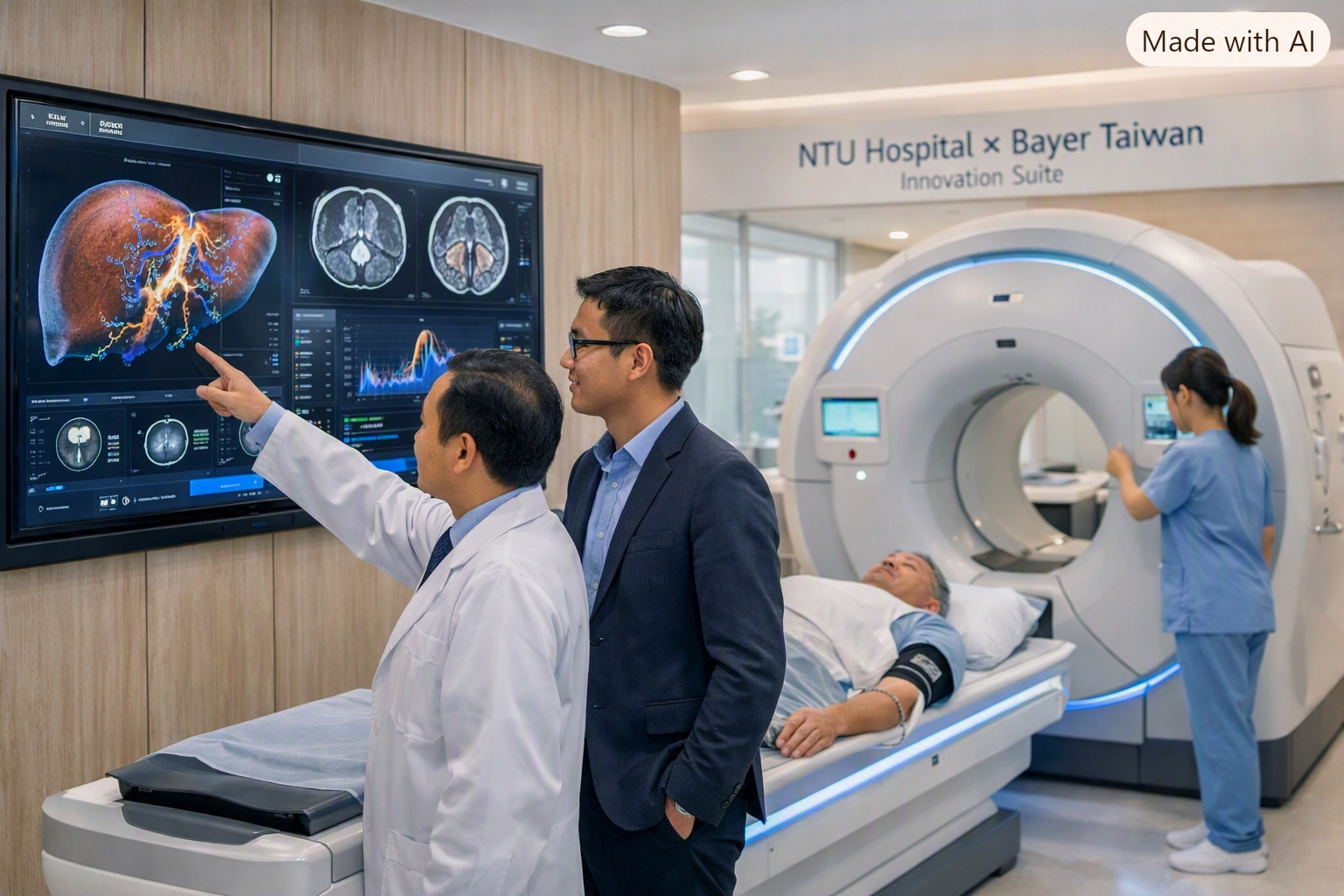
In Malaysia, Singapore, Thailand, South Korea, and Taiwan, the core destinations in Le Medica's hospital network, world-class diagnostic technology is available at a fraction of the cost charged in Australia, the UK, or the United States. Understanding which tests apply to you is the first step toward using that advantage.
Women's Cancer Screening: What You Need and When
Pap Smear vs. HPV DNA Testing for Cervical Cancer
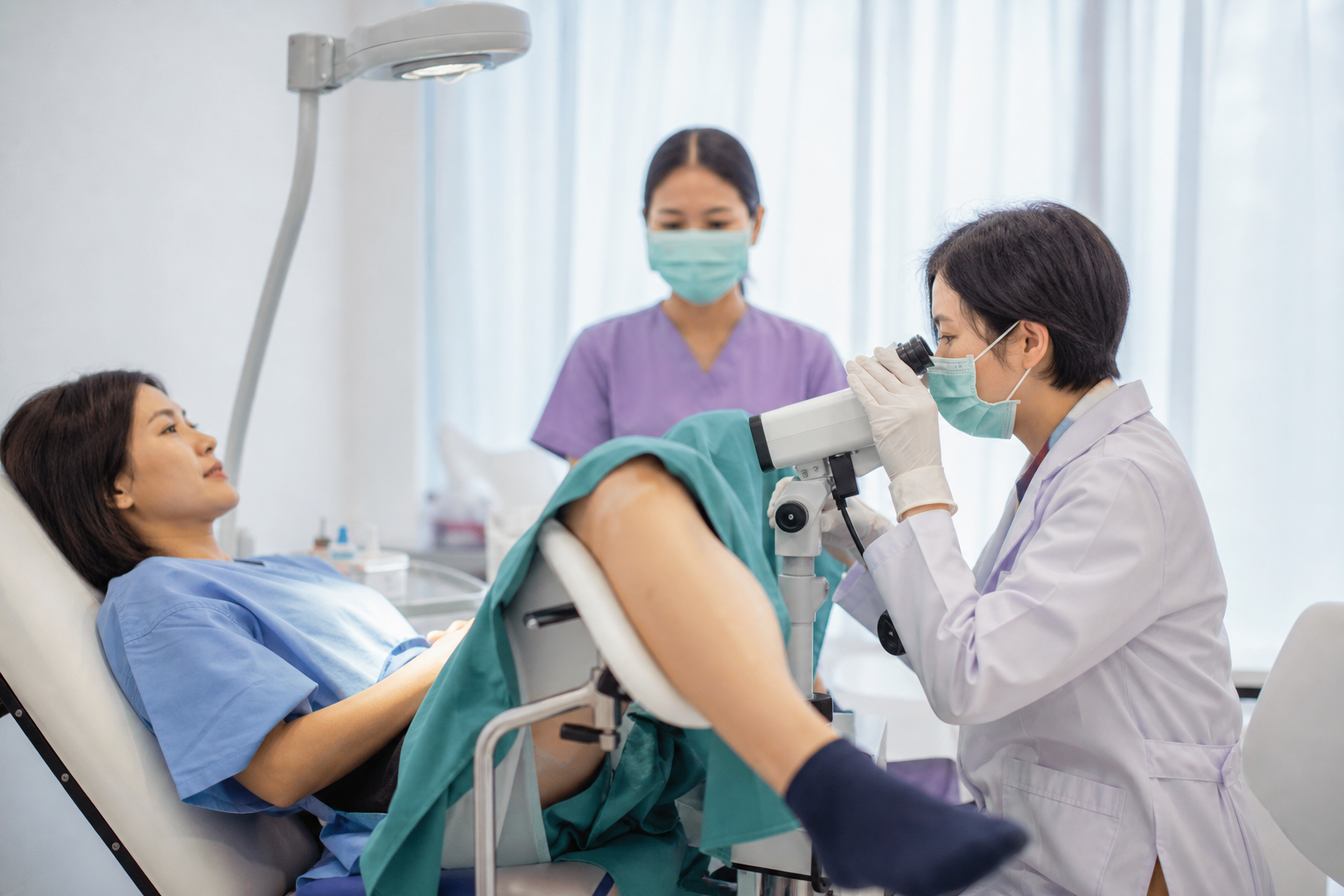
The Pap smear (or Pap test) has been the global standard for cervical cancer screening for decades. A clinician collects a small sample of cells from the cervix; those cells are then examined under a microscope for abnormalities. It is effective, but it requires a pelvic examination, which many women, particularly in more conservative communities across Southeast Asia, find uncomfortable or culturally awkward.
The HPV DNA test is the modern evolution. Rather than looking at cell shape, it detects the presence of high-risk strains of the Human Papillomavirus, the virus responsible for more than 99% of cervical cancers. Clinical evidence now confirms that HPV DNA testing catches pre-cancerous changes earlier and more accurately than a Pap smear alone. Many Malaysian and Thai hospitals now offer co-testing, running both simultaneously, for the most comprehensive result.
For women who remain hesitant about a clinic visit, HPV self-sampling is a genuine game-changer. A woman collects her own vaginal swab at home using a simple kit, mails or returns it to a certified laboratory, and receives results digitally. Studies published in peer-reviewed journals confirm self-sampling achieves comparable sensitivity to clinician-collected samples for HPV detection. For cervical cancer screening in Malaysia, self-sampling kits are now available through select private laboratories and are actively promoted by the Ministry of Health as part of its National Cancer Control Programme. It is discreet, accurate, and removes every logistical and cultural barrier in one step.
Mammogram Guidelines: Breast Cancer Screening
Breast cancer is the most common cancer among women in Malaysia, accounting for approximately 34% of all female cancers. Despite this, screening uptake remains below 30% nationally, a gap that early detection programs are working hard to close.
Current mammogram guidelines in Malaysia, aligned with regional consensus statements, recommend:
Ages 40–49: Annual mammogram, or discuss individual risk with your doctor
Ages 50–74: Biennial (every two years) mammogram as the baseline standard
Ages 75+: Continue screening if in good health and life expectancy exceeds 10 years
High-risk women (BRCA gene carriers, strong family history): Annual MRI alongside mammogram from age 30
Modern digital mammography units, available at partner hospitals like Pantai Hospital Kuala Lumpur and Bangkok Hospital, produce clearer images with lower radiation doses than older machines. The procedure takes under 20 minutes and, while briefly uncomfortable, is not painful for most women.
Recommended Cancer Screening Ages at a Glance
1. Pap Smear (Women)
Start Age: 21 (or 3 years after first sexual activity)
Frequency: Every 3 years
2. HPV DNA Test (Women)
Start Age: 25–30
Frequency: Every 5 years (or co-test every 3)
3. Mammogram (Women)
Start Age: 40 (annual) / 50 (biennial)
Frequency: Annually or biennially
4. PSA Test (Men)
Start Age: 50 (45 if high-risk)
Frequency: Every 1–2 years
5. Colonoscopy (Men & Women)
Start Age: 45–50
Frequency: Every 10 years (if clear)
6. FIT / FOBT (Men & Women)
Start Age: 45–50
Frequency: Annually
Men's Cancer Screening: Tests That Too Many Men Skip
Prostate Cancer Testing: The PSA Blood Test
The Prostate-Specific Antigen (PSA) test is a simple blood draw that measures a protein produced by the prostate gland. Elevated PSA levels can indicate prostate cancer, benign prostatic hyperplasia (BPH), or prostate inflammation. It is not a definitive diagnosis on its own, but it is a vital first filter.
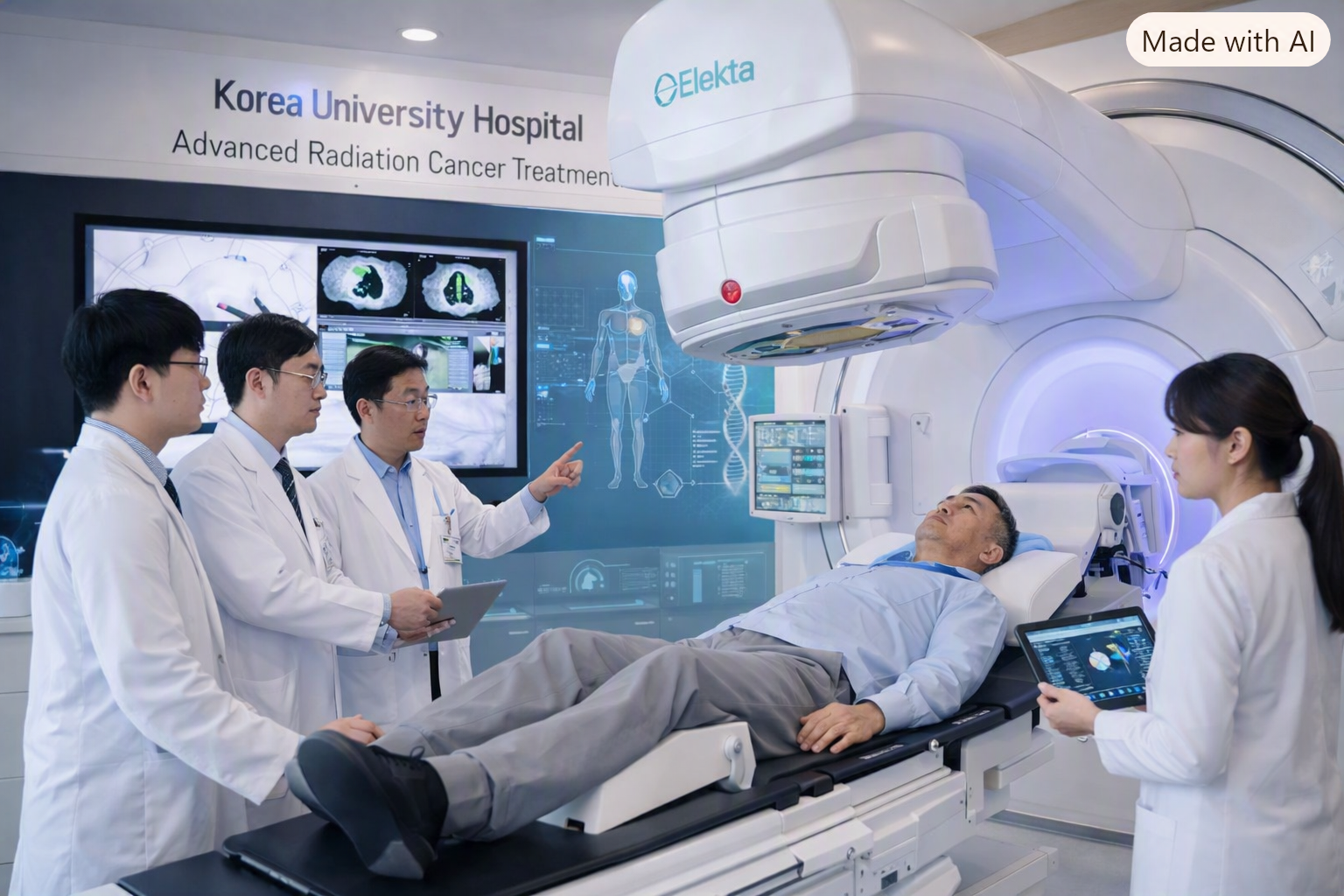
Men aged 50 and above, or 45 if there is a family history of prostate cancer or you are of African descent, should discuss annual PSA screening with their doctor. In South Korea, where the prostate cancer screening test is integrated into national health care, leading urology departments at hospitals in Seoul, Taipei, and Kuala Lumpur offer PSA testing, digital rectal examination (DRE), and follow-up MRI can all be arranged as part of a coordinated package. Learn more about advanced cancer screening and treatment options, including proton therapy if a diagnosis is confirmed.
Colorectal Cancer Screening: The Colonoscopy
Colorectal cancer is the third most common cancer in Malaysian men and the second most common in Malaysian women. Because it develops slowly from non-cancerous polyps, it is one of the most preventable cancers when caught early.
A colonoscopy remains the gold standard: a flexible camera examines the entire colon, and any polyps identified can often be removed during the same procedure. For those who prefer a non-invasive first step, a Faecal Immunochemical Test (FIT), done at home, can detect blood in the stool. A positive FIT result is then followed up with a colonoscopy. Recovery from a colonoscopy is typically the same day, with mild bloating that resolves within hours.
Explore the Top 5 Cancers Affecting Patients in Asia to understand the full picture of regional cancer risk.
How Le Medica Makes Screening Accessible Across Borders
Whether you are based in Malaysia, Indonesia, the Philippines, or Australia and travelling to the region, Le Medica's concierge coordination service takes care of every step: hospital selection, appointment booking, translation support, and results interpretation in plain English. Our network spans hospitals in Malaysia, Thailand, South Korea, Taiwan, and China, all internationally accredited and experienced in treating international patients.
Indicative pricing for gender-specific cancer screenings through Le Medica's partner hospitals typically ranges from USD $80–$150 for a comprehensive cervical screening package (including HPV DNA test), USD $120–$250 for a digital mammogram, and USD $60–$100 for a PSA blood panel, often dramatically below equivalent private costs in Western countries. Contact us for a personalised quote through our free consultation service.
Frequently Asked Questions
What is the difference between a Pap smear and an HPV DNA test?
A Pap smear examines cells collected from the cervix for abnormal changes under a microscope. An HPV DNA test, by contrast, analyses the same sample (or a self-collected swab) for the genetic material of high-risk HPV strains — the root cause of virtually all cervical cancers. HPV DNA testing is generally more sensitive for detecting pre-cancerous changes early, and many clinicians now recommend it as the primary cervical screening tool for women aged 25 and above. Both tests can also be performed together in what is called co-testing.
At what age should women start regular mammogram screenings?
Most Malaysian and regional guidelines recommend beginning annual mammograms at age 40 for average-risk women, transitioning to biennial screening between ages 50 and 74. Women with a strong family history of breast cancer, known BRCA1 or BRCA2 gene mutations, or previous chest radiation therapy should begin screening earlier — often at age 30 — and may require annual breast MRI in addition to mammography. Always discuss your personal risk profile with your doctor to set the right schedule for you.
What is PSA testing, and why is it used for prostate cancer screening?
PSA stands for Prostate-Specific Antigen, a protein produced by both normal and cancerous prostate cells. A blood test measures the level of PSA circulating in the body. Elevated or rapidly rising PSA levels can be an early indicator of prostate cancer, prompting further investigation such as an MRI or biopsy. The prostate cancer screening test is not a diagnosis by itself, but it is a highly valuable tool for catching the disease before symptoms appear, when treatment outcomes are best.
Is colorectal cancer screening necessary for both men and women?
Yes, absolutely. While colorectal cancer is slightly more common in men, it is the second most common cancer among Malaysian women. Both sexes should begin colorectal screening at age 45–50 if at average risk, or earlier if there is a family history of colorectal cancer or polyps. Non-invasive options like the FIT test make it easy to start screening at home before committing to a colonoscopy.
How does HPV self-sampling work, and is it accurate?
HPV self-sampling allows a woman to collect her own vaginal swab using a simple, tampon-like device provided in a sealed kit. The swab is then sent to a certified laboratory for HPV DNA analysis. Multiple large-scale studies confirm that self-sampling achieves sensitivity rates comparable to clinician-collected samples — typically above 90% for detecting high-risk HPV strains. For cervical cancer screening in Malaysia, self-sampling is increasingly recommended as a culturally sensitive and logistically convenient option, particularly for women who face barriers to clinical pelvic examinations.
What are the common symptoms of cervical cancer that require screening?
This is an important distinction: early-stage cervical cancer and pre-cancer often produce no symptoms at all, which is precisely why routine screening is critical. When symptoms do appear, such as unusual vaginal bleeding, bleeding after intercourse, pelvic pain, or unusual discharge, the disease may already be at a more advanced stage. Do not wait for symptoms before scheduling cervical cancer screening in Malaysia or wherever you are based. Screening exists to find the problem before you feel it.
Is a prostate exam painful or invasive?
The PSA blood test involves nothing more than a standard blood draw from the arm — there is no discomfort beyond a brief needle prick. A Digital Rectal Examination (DRE), which a doctor may recommend alongside PSA testing, involves a brief manual check and causes mild, momentary pressure rather than pain. Modern prostate MRI, used when PSA levels are elevated, is entirely non-invasive. Many men are surprised by how straightforward the process is once they actually attend their appointment.
How often should I schedule gender-specific cancer screenings?
Frequency depends on your age, gender, personal risk factors, and previous results. As a general guide: cervical screenings every 3–5 years (depending on method), mammograms annually or biennially from age 40–50, PSA tests every 1–2 years from age 50 coordinator can help you build a personalised multi-year screening calendar based on your profile through our How It Works page.
Can I get these screenings done privately in Malaysia?
Yes. Private hospitals and diagnostic centres across Kuala Lumpur, Penang, and Johor Bahru offer the full range of gender-specific cancer screenings, often with shorter waiting times than public facilities and results available within 24–72 hours. Cervical cancer screening in Malaysia at private centres typically costs between RM 150 and RM 450 depending on whether you choose a Pap smear alone, HPV DNA test, or a co-test package. Le Medica can connect you with vetted partner facilities and help coordinate your appointment, transport, and results review remotely.
What should I do if my screening results come back abnormal?
An abnormal result does not mean you have cancer — it means further investigation is needed, and that is exactly what screening is designed to trigger. Depending on the test, your next step might be a repeat screening in six months, a colposcopy (for abnormal cervical results), a biopsy, or an MRI. Le Medica's clinical coordination team is available to help you understand your results in plain language, identify the most appropriate specialist within our hospital network, and fast-track your next appointment. Reach out through our contact page as soon as your results arrive.
Take Control of Your Health Today
Early detection is not just a medical recommendation — it is one of the most powerful decisions you can make for yourself and your family. Whether it's scheduling your first cervical cancer screening in Malaysia, booking a prostate PSA panel in Seoul, or arranging a full gender-specific check-up package through one of Le Medica's accredited partner hospitals, we are here to make the process simple, affordable, and completely on your terms.
Ready to book your screening? Contact us now for a free consultation and let us match you with the right hospital, the right test, and the right team, wherever