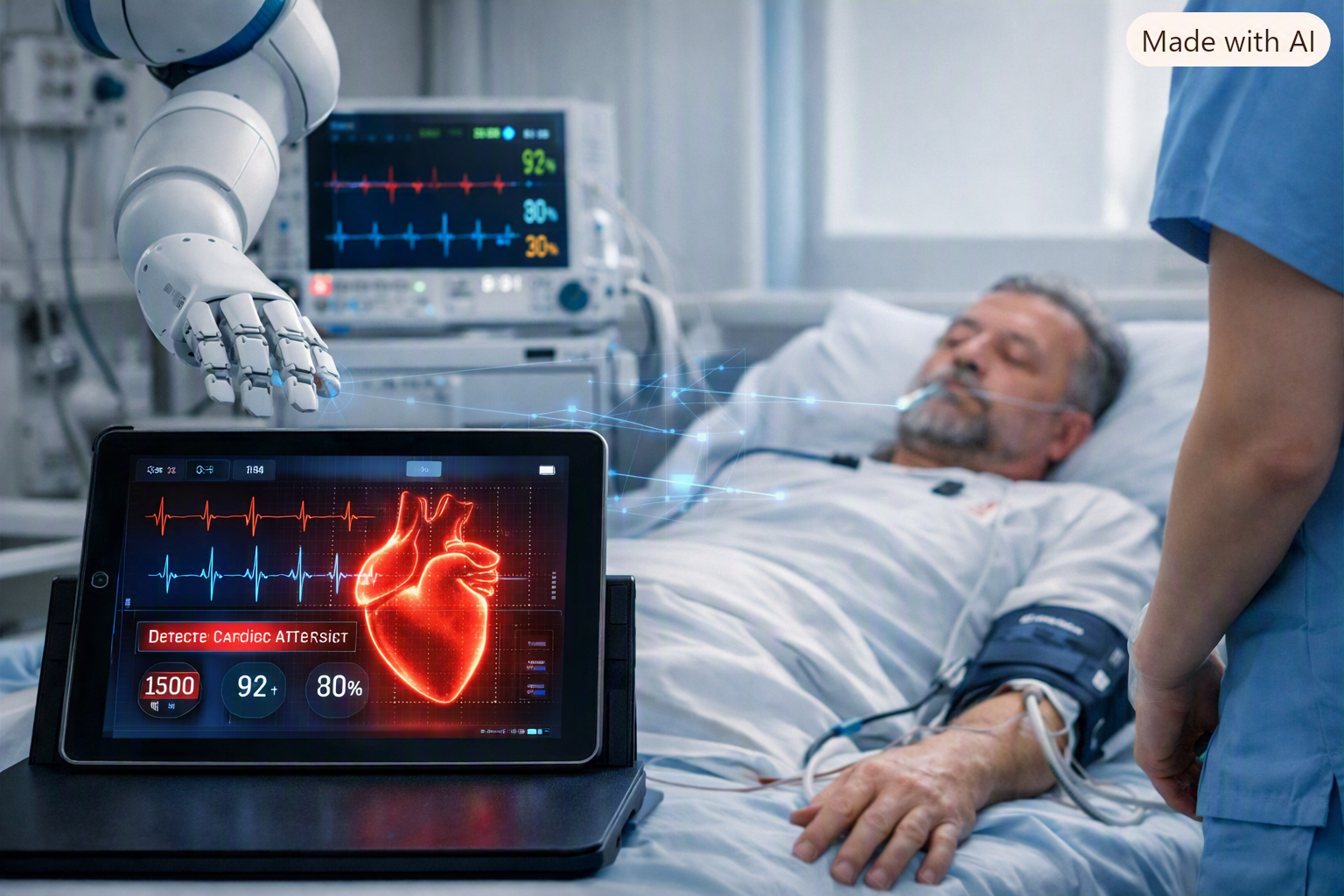
Imagine a hospital ward where an AI system quietly watches over every patient's heartbeat, blood pressure, and vital signs — and alerts medical staff before a cardiac crisis strikes. That future is already here, and the results are turning heads across the global healthcare community. A landmark implementation at an Indian hospital has demonstrated that an AI monitoring system cuts cardiac emergencies dramatically, offering a powerful glimpse into how technology is reshaping patient safety worldwide.
What Happened: AI Steps In to Guard the Heart
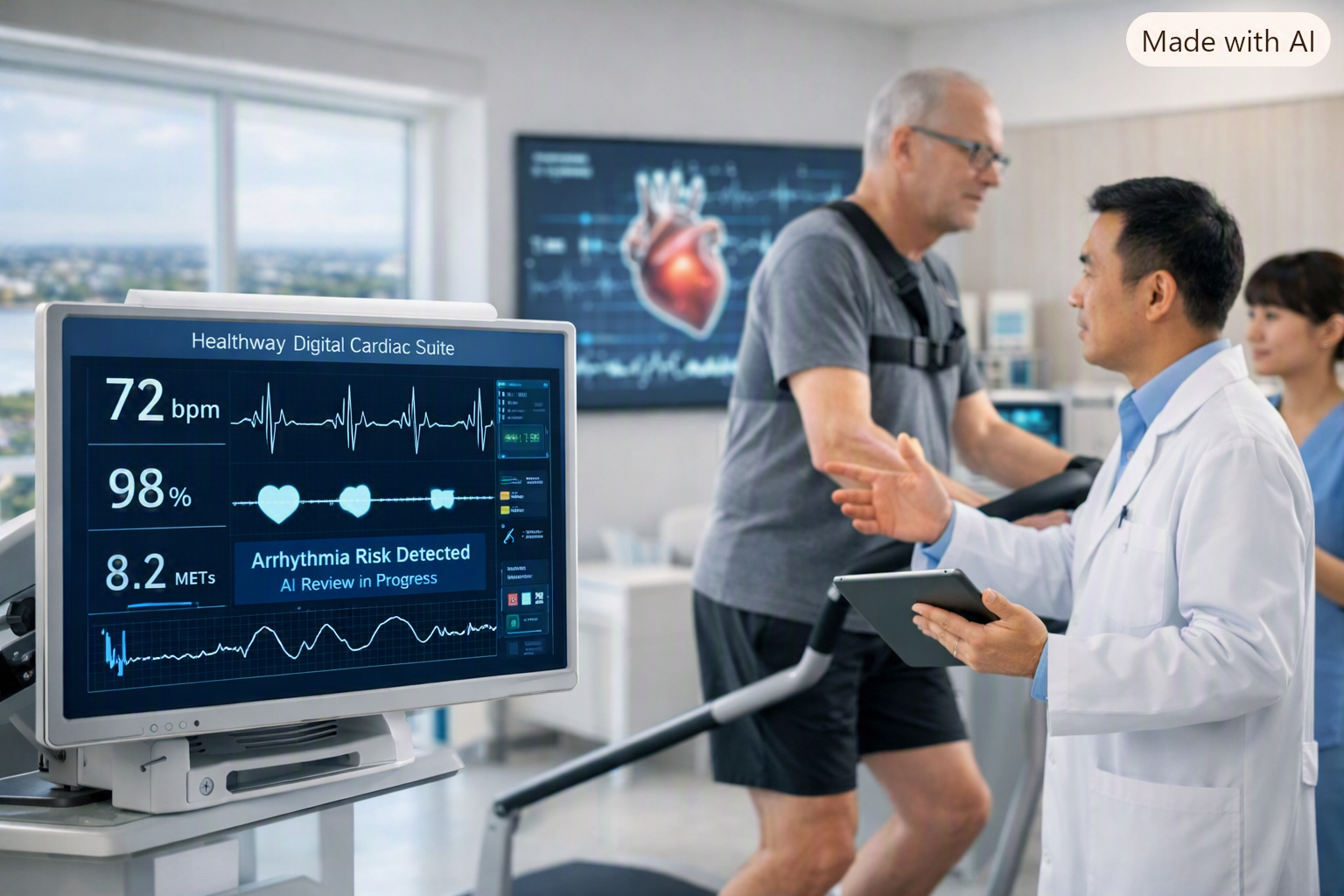
According to a report covered by Healthcare Asia Magazine, an Indian hospital has deployed an advanced AI-powered continuous monitoring platform across its cardiac care wards. The system tracks patient vitals in real time, processes thousands of data points per minute, and uses predictive algorithms to flag patients who show early warning signs of deterioration — often hours before a crisis becomes life-threatening.
The outcomes have been striking. The hospital reported a significant reduction in cardiac emergencies among monitored patients, with clinical teams able to intervene earlier and more decisively. Nursing staff received fewer frantic "code blue" alerts and instead benefited from calm, early-warning notifications that allowed for measured, proactive responses. In a field where minutes — sometimes seconds — determine whether a patient survives, this shift is nothing short of revolutionary.
How the AI Monitoring System Works
At its core, the system combines continuous bedside sensor data with machine learning models trained on vast cardiac datasets. Rather than simply alerting staff when a reading crosses a threshold (the old-fashioned alarm model), the AI monitors trends and patterns — detecting subtle physiological shifts that the human eye simply cannot catch across an entire ward simultaneously.
Continuous ECG and SpO₂ tracking — uninterrupted heart rhythm and oxygen saturation monitoring
Predictive deterioration scoring — risk scores updated every few minutes per patient
Smart alarm filtering — reducing "alarm fatigue" by suppressing false positives
Clinical dashboard integration — alerts delivered directly to nurses' stations and mobile devices
Retrospective analytics — helping clinicians understand what early patterns preceded past events
The result is a smarter, more human-centered ICU and step-down ward environment. Staff are not overwhelmed by noise; they are guided by intelligence.
Why This Matters Now
Cardiac disease remains the world's leading cause of death, responsible for approximately 17.9 million lives lost annually according to the World Health Organization. In hospital settings, in-patient cardiac arrests are among the most feared — and most preventable — emergencies. Studies suggest that up to 80% of in-hospital cardiac arrests are preceded by observable warning signs in the hours before collapse, yet traditional monitoring often fails to catch them in time.
The Indian hospital's success story arrives at a pivotal moment. Healthcare systems globally are grappling with nursing shortages, rising patient volumes, and the pressure to improve outcomes without proportionally increasing costs. AI monitoring represents a force multiplier — one experienced nurse, aided by an intelligent system, can safely oversee far more patients than manual observation alone would allow.
This development also signals a broader trend: Asia is not just catching up with Western medical technology — it is actively pioneering it. Hospitals across India, China, South Korea, Malaysia, Thailand, and Taiwan are investing heavily in digital health infrastructure, with AI at the center of the transformation.
What This Means for International Patients
For patients traveling abroad for cardiac care, the adoption of AI monitoring technology is a major reassurance. It signals that a hospital is invested in clinical safety, innovation, and data-driven outcomes — not just prestige or marketing. When you are recovering from a procedure thousands of miles from home, knowing that intelligent systems are watching over you around the clock provides genuine peace of mind.
At Le Medica, we work with hospitals across China, Malaysia, Thailand, South Korea, and Taiwan that are at the forefront of cardiac care technology. Costs for cardiac procedures at top Asian hospitals can represent remarkable value: a coronary artery bypass graft (CABG) that might cost USD $80,000–$150,000 in the United States can be performed at internationally accredited Asian hospitals for as little as USD $12,000–$30,000, often with comparable or superior outcomes, and increasingly with AI-assisted monitoring built into the post-operative care pathway.
Cardiac Care Destinations Worth Knowing
For international patients exploring cardiac treatment abroad, here is a brief snapshot of leading destinations in our network:
South Korea — World-class interventional cardiology, robotic surgery, and cutting-edge diagnostics in Seoul's top hospitals
Malaysia — JCI-accredited hospitals in Kuala Lumpur with English-speaking cardiologists and strong post-care infrastructure
Thailand — Bangkok's flagship hospitals combine luxury recovery environments with rigorous cardiac care protocols
China — Rapidly advancing cardiac surgery centers, particularly strong in minimally invasive and hybrid procedures
Taiwan — Exceptional National Health Insurance-equivalent quality available to private international patients, with outstanding cardiac outcomes data
Frequently Asked Questions
Is AI cardiac monitoring available at hospitals that treat international patients?
Yes, and increasingly so. Many of the top-tier hospitals across Asia that cater to international patients are actively deploying AI monitoring platforms in their cardiac ICUs and step-down wards. When planning your treatment, Le Medica can help you specifically identify and compare hospitals that have invested in this technology.
Does AI monitoring replace the care of doctors and nurses?
Absolutely not. AI monitoring is a support tool, not a substitute for clinical judgment. It enhances what skilled medical teams can do by giving them earlier, more accurate information. The human relationship between patient and caregiver remains central — the AI simply makes those caregivers more effective.
How do I know if a hospital abroad has good cardiac care standards?
Look for internationally recognized accreditations such as JCI (Joint Commission International) or MSQH accreditation, as well as published outcomes data, board-certified cardiologists with international training, and affiliations with global cardiac networks. Le Medica vets all partner hospitals against these benchmarks so you don't have to navigate it alone.
What does cardiac treatment abroad typically cost, and what is included?
Costs vary significantly by procedure and destination, but international patients typically save 50–80% compared to U.S. or UK prices. Many hospitals offer all-inclusive packages covering surgery, anesthesia, ICU stay, post-operative care, and follow-up consultations. Le Medica provides transparent, itemized cost comparisons so you can plan with confidence.
Start Your Cardiac Care Journey with Le Medica
The rise of AI monitoring in cardiac care is a reminder that the best hospitals in the world are not always the most familiar ones. Whether you are considering a procedure, seeking a second opinion, or simply exploring your options, the right information and the right partner make all the difference. Le Medica specializes in connecting English-speaking international patients with vetted, technology-forward hospitals across Asia — handling everything from hospital shortlisting and medical record translation to travel logistics and post-treatment follow-up. Contact our team today to begin your personalized cardiac care consultation, completely free of charge.
References
Healthcare Asia Magazine. AI monitoring system cuts cardiac emergencies at Indian hospital - Healthcare Asia Magazine [Internet]. 11 Aug 2026. Available from: https://news.google.com/rss/articles/CBMisgFBVV95cUxQZF8xOFVxZVBSenQ4QWFCM3hNc2RFUnY0b2hac3NQcTFRQUVNSnNZc2poOU9EZngtOWFNUzNaWTB0MEhRSV81OXh0b3l3RDROMDdvajBFc2NqU0RhZnEyTGxWUnQ1Zk9jUUhmVlJsdkRaeEY2alNwX2c0SnVEZkdGaFJCZi1wZnpWckYtRi1PTW54amI0emZsdFZEZk5jdXJSOWk0Zl96Z0h3ZzNKbFhfQ2NB?oc=5