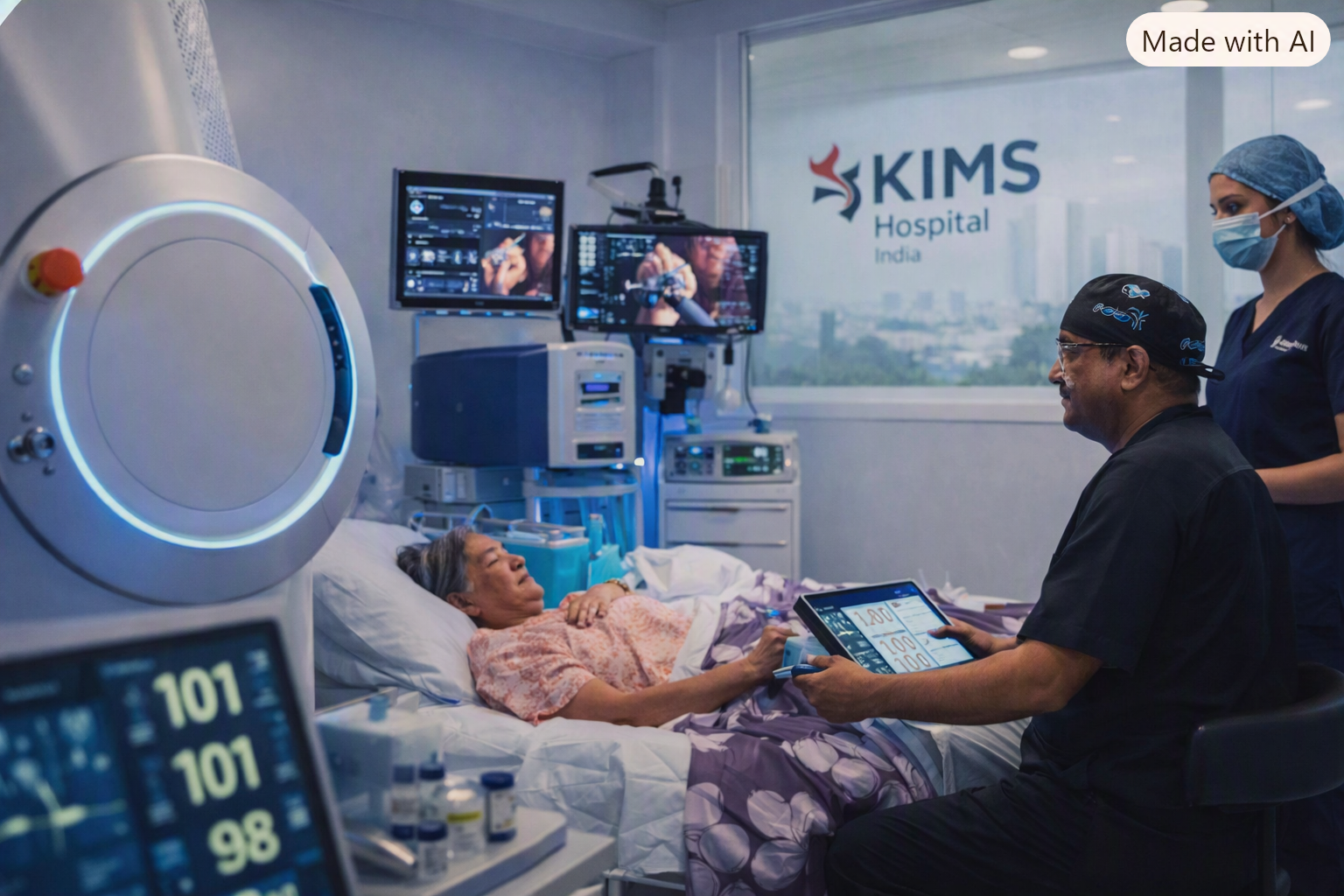
A new chapter in surgical precision is unfolding in South Asia — and international patients are paying close attention. India's KIMS Hospital has officially debuted an advanced robotic surgery system, signaling a bold leap forward in minimally invasive care. For patients weighing treatment options across Asia, this development adds an important new data point to the conversation.
KIMS Hospital's Robotic Surgery Milestone
Krishna Institute of Medical Sciences (KIMS) Hospital, one of India's most respected multi-specialty healthcare networks, has launched a state-of-the-art robotic surgical system designed to enhance precision, reduce recovery times, and expand the scope of complex procedures available to patients. The announcement, reported by Healthcare Asia Magazine, highlights how Indian hospitals are increasingly investing in cutting-edge technology to attract both domestic and international patients.
KIMS has built its reputation on clinical excellence across specialties including oncology, cardiac surgery, orthopedics, and urology — all fields where robotic assistance is proving to be a game-changer. The introduction of this robotic platform places KIMS among a select group of Asian hospitals offering this level of surgical sophistication.
What Robotic Surgery Actually Means for Patients
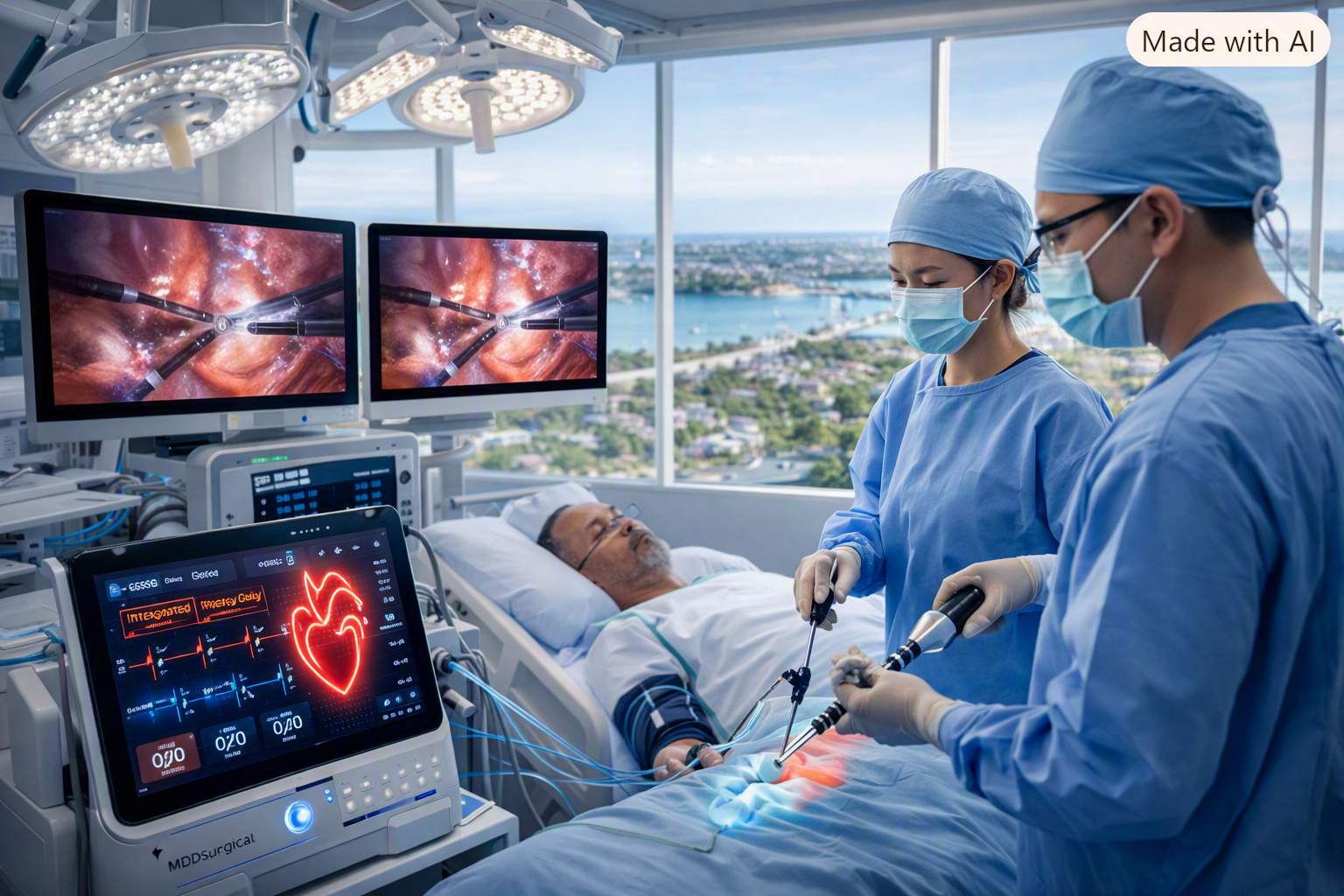
Robotic-assisted surgery is not about replacing surgeons — it's about empowering them. The robotic system provides a surgeon with enhanced dexterity, a magnified 3D view of the operative field, and tremor-free instrument control. The result is greater precision in delicate procedures, smaller incisions, and typically a faster return to normal life for the patient.
For international patients, the practical benefits are significant. Shorter hospital stays mean reduced accommodation costs. Smaller incisions mean lower infection risk — a critical consideration for those traveling far from home for care. And higher procedural accuracy translates directly into better outcomes, fewer complications, and less need for follow-up intervention.
Key Procedures Enabled by Robotic Systems
Prostatectomy and urological surgeries
Gynecologic procedures, including hysterectomy
Colorectal and gastrointestinal surgery
Thoracic (chest) surgery, including lung resection
Cardiac valve repair
Complex oncological tumor removal
Orthopedic joint replacement with robotic guidance
India's Growing Role in Medical Tourism
India has long been recognized as a cost-effective destination for high-quality medical care, but the country is now rapidly repositioning itself as a destination for advanced technology-driven treatment. The Indian medical tourism market was valued at approximately USD 9 billion in 2023 and is projected to reach USD 14 billion by 2026, driven in large part by investments in infrastructure like robotic surgery.
For context, robotic-assisted prostatectomy at a top Indian hospital typically costs in the range of USD 5,000 to USD 8,000 — compared to USD 15,000 to USD 30,000 or more in the United States or Western Europe for the same procedure. Even when factoring in international flights, accommodation, and concierge support, the savings are substantial.
KIMS Hospital, headquartered in Hyderabad with a growing network of facilities across multiple Indian states, is well-positioned to serve international patients arriving from the Middle East, Southeast Asia, Africa, and beyond. Hyderabad's international airport offers direct connections to many major global hubs, making it a genuinely accessible destination for medical travel.
Why This Matters Now
The timing of KIMS Hospital's robotic debut is no accident. Across Asia, leading hospitals are racing to differentiate themselves through technology investment, and robotic surgery has emerged as one of the clearest signals of institutional commitment to world-class care. Patients who previously looked exclusively to South Korea, Thailand, or Malaysia for high-tech procedures now have a compelling reason to add India to their shortlist.
For international patients navigating this evolving landscape, the proliferation of robotic surgery programs also means more choices — and more complexity. Not all robotic systems are equal, not all hospitals have equal surgical volumes (which directly impacts outcomes), and not all programs are equally experienced in managing international patient logistics. This is precisely where expert guidance becomes invaluable.
According to Healthcare Asia Magazine, KIMS is committed to expanding access to this technology across its network — a sign that this is a long-term institutional strategy, not a one-time headline.
How KIMS Compares to Other Asian Robotic Surgery Leaders
To help patients make informed decisions, it's useful to understand how India's newest robotic program fits within the broader Asian medical tourism ecosystem. Countries like South Korea, Thailand, Malaysia, and Taiwan have been operating robotic surgery programs for over a decade, accumulating significant case volume and international patient experience.
South Korea: World-leading robotic surgery volumes, particularly in thyroid, gastric, and prostate cancers. Premium pricing, but exceptional outcomes data.
Thailand: Strong robotic urology and gynecology programs at Bangkok's top-tier hospitals. Very accessible for Southeast Asian patients.
Malaysia: Emerging robotic surgery capabilities with competitive pricing and excellent English-language patient services.
Taiwan: Sophisticated oncology robotic programs with rigorous accreditation standards.
India (KIMS and peers): Rapid technology adoption, lowest cost point in Asia, increasingly strong international patient infrastructure.
The right choice depends entirely on the patient's specific condition, budget, travel logistics, and personal preferences. There is no single "best" destination — only the best destination for you.
Frequently Asked Questions
Is robotic surgery at KIMS Hospital safe for international patients?
Yes. KIMS Hospital is a JCI-accredited equivalent institution with a strong track record across its multi-specialty network. Robotic surgery itself is a well-established technology used in hundreds of thousands of procedures globally each year. As with any surgical program, outcomes are closely tied to surgical volume and team experience — factors worth discussing with a medical coordinator before committing to a hospital or destination.
How much does robotic surgery in India cost compared to other countries?
India offers some of the most competitive pricing for robotic-assisted procedures in Asia. Depending on the procedure type, patients can typically expect to pay 60–80% less than equivalent procedures in the United States or United Kingdom. A robotic-assisted hysterectomy, for example, might cost USD 3,500 to USD 6,000 in India versus USD 20,000 or more in the US. South Korea and Thailand offer mid-range pricing, with Malaysia sitting slightly below those benchmarks.
How can I compare KIMS Hospital with other hospitals for my specific procedure?
The most reliable approach is to work with a specialist medical tourism concierge who can provide a structured multi-hospital comparison based on your diagnosis, treatment plan, and travel requirements. Le Medica coordinates exactly this type of comparison across India, South Korea, Thailand, Malaysia, Taiwan, and China — ensuring you receive verified information rather than marketing materials.
What support is available for international patients traveling to India for robotic surgery?
Leading Indian hospitals like KIMS have dedicated international patient departments offering visa support, airport transfers, translator services, accommodation coordination, and post-discharge telemedicine follow-up. Partnering with a concierge platform like Le Medica adds an additional layer of independent advocacy, helping patients navigate logistics and communicate effectively with medical teams before, during, and after travel.
Plan Your Treatment Journey with Confidence
India's KIMS Hospital debut of robotic surgery is a significant milestone — and a reminder that the landscape of Asian medical excellence is constantly evolving. Whether KIMS is the right fit for your procedure, or whether a hospital in South Korea, Thailand, or Malaysia better suits your needs, the most important step is getting clear, unbiased guidance from people who know these systems intimately.
At Le Medica, we help international patients do exactly that — compare options across Asia's top hospitals, coordinate all aspects of the care journey, and travel with genuine peace of mind. Contact our team today to discuss your treatment needs and discover which hospital and destination is right for you.
References
Healthcare Asia Magazine. India's KIMS Hospital debuts robotic system for precision surgery - Healthcare Asia Magazine [Internet]. 7 Aug 2026. Available from: https://news.google.com/rss/articles/CBMisAFBVV95cUxOWEdodXVtN3N5TVpnZnJSOG9PM1ZFUlBZSl8zeHhOVHBoMVlKd2oxMnFEdW1pc2hzaUdxTGNQWFRpNTNscm5yakQwN1R4bnFmWU9ycER4a1VYTHdqM0ludEY4MkJHUDJXRkRWVXotZzVXRzRvNlE5NzM1VlpHQ3NuN2F1RXlkd3Z0LURfVnU1UXI5eTB1MzBsQmw3dF9nVE5NUmNNaVlqNGhISzVYRUkwQw?oc=5