You've just invested in saving a tooth, and now the most important question is whether that investment will hold. Root canal treatment is one of the most misunderstood procedures in modern dentistry, often feared for the wrong reasons and underestimated for the right ones. Understanding what actually determines root canal longevity gives you the tools to protect your smile for decades, not just years.
How Long Does a Root Canal Last?
A root canal-treated tooth can last 10 to 15 years on average, and with a properly fitted dental crown combined with diligent oral hygiene, many patients retain the tooth for 20 to 30 years or even a lifetime. Root canal longevity depends primarily on three factors: the quality of the hermetic seal placed by the endodontist, the type of restoration used after treatment (crown vs. filling), and the patient's long-term maintenance habits. Early detection of failure signs such as persistent pain, swelling, or a fistula significantly improves retreatment outcomes.
The short answer: a root canal-treated tooth does not have a fixed expiry date. Published clinical studies report 10-year survival rates of approximately 80–90% when the tooth receives a full-coverage crown post-treatment and is maintained with regular professional care. Without a crown, that survival rate can drop to below 50% over the same period. So while the procedure itself is designed to be permanent, the long-term outcome is shaped by decisions made after you leave the dental chair.
In practical terms, patients across Asia treated at accredited facilities, including those within the Le Medica hospital network in South Korea, Malaysia, Thailand, Taiwan, and China, routinely achieve excellent long-term outcomes when the full treatment protocol is followed. The procedure removes the infected or inflamed pulp tissue, cleans and shapes the root canals, and fills them with a biocompatible material (typically gutta-percha) before sealing. That seal is everything.
The Critical Role of the Root Canal Crown
After root canal therapy, the tooth is structurally compromised. The removal of the pulp eliminates the tooth's internal blood supply and nerve tissue, leading to dentin dehydration over time. Dehydrated dentin becomes brittle, significantly more susceptible to cracking and fracture under normal biting forces. This is precisely why a root canal crown is not optional; it is an essential component of the tooth-saving process.
A full-coverage ceramic or porcelain-fused-to-metal crown redistributes occlusal (biting) forces across the entire tooth surface rather than concentrating stress on weakened walls. It also protects the coronal seal, the barrier that prevents oral bacteria from re-entering the cleaned canal system and causing reinfection. Think of the crown as the permanent "roof" of the structure; without it, even a perfect root canal can fail within a few years.
In South Korea and Taiwan, two of the leading destinations in the Le Medica network for precision dental care, digital-guided crown fabrication using CAD/CAM technology allows same-day or next-day permanent restorations with exceptional fit accuracy. A well-fitting crown that forms a true hermetic seal at the margin is one of the single greatest predictors of root canal longevity.
Crown Timing: Why You Should Not Wait
Many patients delay crown placement after root canal treatment due to cost concerns or scheduling. Clinical evidence strongly discourages this. Teeth left with a temporary filling for more than three months post-treatment show measurably higher rates of coronal leakage, bacterial ingress through the filling margin, and subsequent treatment failure. If you are travelling internationally for care, Le Medica's coordinators typically structure itineraries to complete both the root canal and crown placement within a single trip wherever clinically possible.
Key Factors That Determine Root Canal Longevity
Tooth position: Molars bear the heaviest bite load and have the most complex canal anatomy. They require the most precise cleaning and are most vulnerable to fracture without a crown. Front teeth, with simpler single-canal anatomy, generally have higher long-term survival rates.
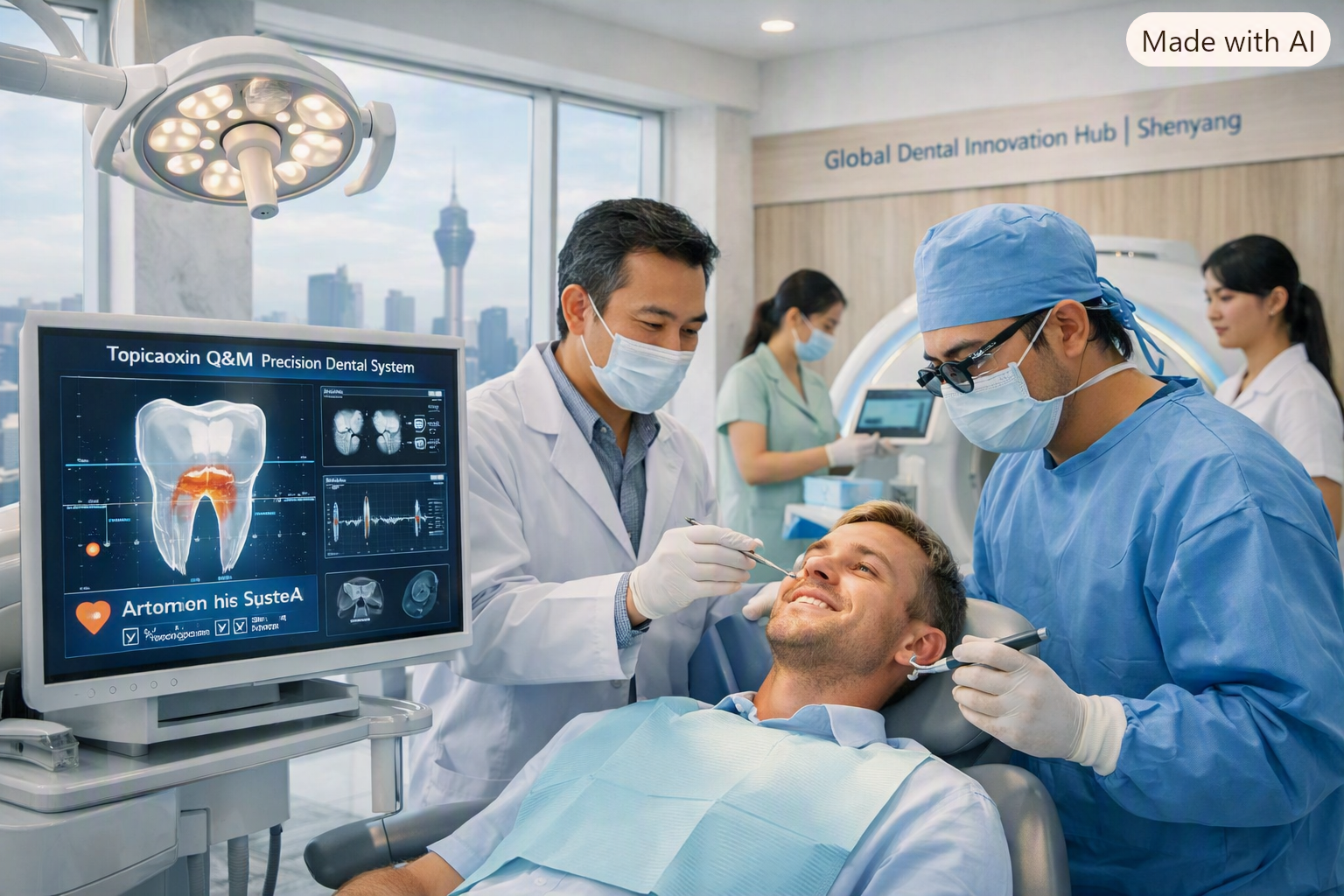
Operator experience and technology: Endodontists using rotary nickel-titanium instruments, dental operating microscopes, and 3D cone-beam CT (CBCT) imaging achieve significantly better canal debridement and sealing compared to conventional methods. Hospitals in the Le Medica network routinely employ these technologies.
Quality of the hermetic seal: The gutta-percha fill must extend to within 0–2 mm of the root apex without voids or gaps. Any incomplete seal is a potential site for bacterial colonisation and periapical pathology.
Patient habits: Bruxism (teeth grinding) places extreme cyclical stress on restored teeth and is a leading cause of crown fracture and root canal failure. Patients with bruxism require a custom night guard as an additional protective measure.
Oral hygiene: Gum disease (periodontitis) can progress to the root tip of a root canal-treated tooth, introducing bacteria periapically from the outside. Consistent flossing, professional scaling, and six-monthly check-ups are non-negotiable for long-term success.
Note: "If you are visiting us for restorative dental work, many patients also choose to maximize their time by scheduling aesthetic skin procedures in Korea, Malaysia, or Singapore."
Signs of a Failed Root Canal
Root canal failure does not always announce itself dramatically. Knowing the warning signs early allows for retreatment, which carries a strong prognosis when addressed promptly, rather than extraction. The following are clinically recognised signs of a failed root canal.
Some post-procedural sensitivity is normal for a few days following treatment. However, pain that returns after weeks or months of comfort, or that never fully resolves, may indicate incomplete canal debridement or a missed accessory canal harbouring residual infected tissue.
Swelling or a Pimple on the Gum (Fistula)
A fistula, a small raised bump or "pimple" on the gum near the treated tooth, is a classic sign of a periapical abscess. It represents the body's attempt to drain infection from the root tip through the gum tissue. This is a clinical emergency requiring urgent evaluation and typically retreatment or surgical endodontic intervention (apicoectomy).
Sensitivity to Hot or Cold That Lingers
A successfully treated root canal tooth should not register thermal sensitivity, as the nerve tissue has been removed. Lingering hot or cold sensitivity may suggest a missed canal, incomplete pulp removal, or a crack extending into an untreated root. This symptom should not be ignored or attributed to "normal sensitivity."
Visible Darkening of the Tooth
Internal discolouration, the tooth turning grey or dark, can indicate internal resorption or breakdown of residual haemoglobin in the dentinal tubules. While not always painful, it warrants radiographic assessment to confirm the integrity of the root structure and seal.
Tenderness When Biting or Chewing
Pain on biting pressure is one of the most common signs of reinfection or an incomplete hermetic seal. It can also indicate a fractured root, unfortunately not always salvageable, which underscores why crown placement promptly after root canal treatment is so important.
Maintenance Tips to Maximise Root Canal Longevity
The good news is that the majority of root canal failures are preventable with straightforward maintenance habits. Here is what the evidence recommends:
Prioritise crown placement: Complete your permanent crown within 4–6 weeks of root canal completion. Do not rely on a temporary restoration as a long-term solution.
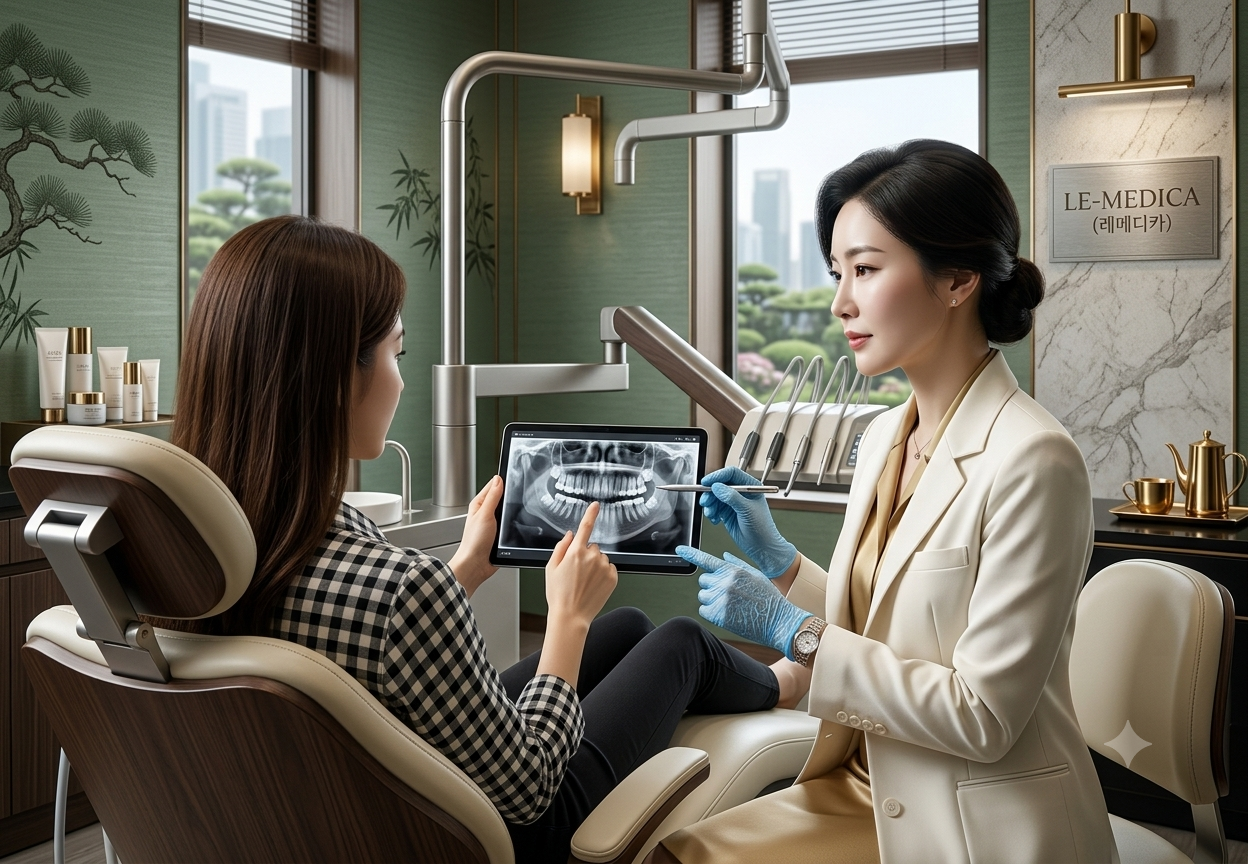
Attend six-monthly dental check-ups: Your dentist will take periodic periapical X-rays to monitor for any changes in the bone around the root tip, often the earliest detectable sign of failure, before symptoms appear.
Use a night guard if you grind: Discuss bruxism screening with your dentist. A custom occlusal splint reduces the mechanical load on crowns and root canal-treated teeth significantly.
Maintain meticulous oral hygiene: Floss daily and use an antimicrobial rinse. The crown margin, where the crown meets the tooth at the gum line, is the most vulnerable point for bacterial ingress and secondary decay.
Avoid hard or sticky foods on the treated tooth: Ice, hard nuts, and sticky sweets place disproportionate stress on the restored tooth. Protect your investment by distributing biting force consciously.
Root Canal Treatment Costs in Asia: A Practical Overview
One reason many international patients explore dental treatments through Le Medica is the significant cost advantage across Asia without any compromise on clinical quality. As a general guide for root canal treatment plus crown placement:
South Korea (Seoul): USD 800–1,800 per tooth (molar, including ceramic crown) at JCI-accredited facilities
Thailand (Bangkok): USD 500–1,200 per tooth at internationally certified hospitals
Malaysia (Kuala Lumpur): USD 400–900 per tooth at leading private dental centres
Taiwan (Taipei): USD 600–1,300 per tooth with same-day digital crown options
China (Shanghai/Beijing): USD 350–1,000 per tooth at major hospital dental departments
These figures are indicative. Le Medica provides personalised cost estimates through a complimentary case review. Connect with our coordinators via the consultation page for an accurate, itemised breakdown based on your specific case and preferred destination.
Why Choose Le Medica for Your Root Canal Procedure?
Saving a natural tooth is a precision-driven medical endeavour. At Le Medica, we understand that a root canal is not just about relieving pain; it is about restoring the long-term structural integrity of your smile. We bridge the gap between complex dental needs and the world's most advanced dental clinics, ensuring your treatment is performed to the highest international standards.
Verified Endodontic Specialists: We exclusively partner with clinics featuring board-certified endodontists who utilize advanced technologies like dental operating microscopes and rotary nickel-titanium instrumentation. This high-tech approach ensures the complete removal of infected pulp and the creation of a precise, bacteria-free seal—the primary factor in preventing future reinfection.
Precision Digital Restorations: We know the crown is the "roof" of your tooth. Our network clinics utilize CAD/CAM digital dentistry to design and mill your permanent crown with micron-level accuracy. This ensures a hermetic seal that protects your tooth against future decay and structural failure.
International Safety Benchmarks: Your dental health is a clinical priority. All partner hospitals in our network are JCI-accredited or meet equivalent national healthcare standards. You receive the same (or superior) sterilization, imaging, and surgical protocols that you would expect at a top-tier dental practice in your home country.
Coordinated Care for International Patients: Navigating dental care abroad can be complex. Le Medica’s concierge coordinators manage every detail, from reviewing your pre-operative X-rays to ensuring your treatment plan accounts for necessary crown placement within your travel window. We align your itinerary so you receive complete, high-quality care without unnecessary delays.
Transparent & All-Inclusive Value: We eliminate the confusion of international dental pricing. Our care plans are transparent, bundling hospital fees, specialist expertise, and digital restoration costs. You receive a clear, itemised breakdown before you ever board your flight, allowing you to invest in your dental health with complete financial confidence.
Frequently Asked Questions
Do root canals last a lifetime?
A root canal has the potential to last a lifetime, but it is not guaranteed without the right conditions. The combination of a high-quality hermetic seal, a properly fitted permanent crown, and ongoing professional maintenance gives a root canal-treated tooth the best possible chance of lasting 20, 30, or more years, sometimes the patient's entire lifetime.
Studies show that teeth restored with crowns and monitored regularly have significantly higher survival rates than those left with direct fillings alone. So while "lifetime" is achievable, it requires your active participation through maintenance and monitoring.
How do I know if my root canal is failing?
The most common signs of root canal failure include returning pain or pressure around the tooth, swelling near the root tip (which may form a visible fistula on the gum), persistent sensitivity to temperature, and tenderness when biting. Some failures are asymptomatic and are detected only on routine X-ray as a periapical shadow, another reason why regular dental check-ups are essential.
Is root canal retreatment possible if the first one fails?
Yes, in most cases root canal retreatment is highly effective. The endodontist reopens the tooth, removes the existing filling material, recleans and reshapes the canals, and reseals the system. Success rates for retreatment range from 75–85% in suitable cases. For complex failures, surgical endodontic treatment (apicoectomy) may be recommended instead.
How long after a root canal should I get a crown?
Most endodontists and restorative dentists recommend placing the permanent crown within four to six weeks of completing root canal treatment. During this window, the tooth is protected only by a temporary restoration that is not designed for long-term use. Delaying beyond three months measurably increases the risk of coronal leakage and treatment failure.
Can root canal treatment be done in a single visit while travelling?
Many straightforward root canal cases; molars with complex multi-canal anatomy may require two visits. At hospitals within the Le-Medica network, modern rotary instrumentation and digital apex locators allow skilled endodontists to complete treatment efficiently. Le Medica's care coordinators plan treatment timelines to align with your travel schedule wherever clinically appropriate.
How long does a root canal last without a crown?
Without a crown, a root canal-treated tooth, especially a molar, is at high risk of fracture. While it may last for a short period, the lack of a protective "seal" significantly decreases its lifespan.
How long does a root canal last on a molar?
Molars endure significant biting forces. While they can last decades, they are more prone to wear and fracture than front teeth and almost always require a crown for long-term success.
How long does a root canal last with a crown?
A crown reinforces the brittle tooth structure and provides a hermetic seal. With a crown, the success rate is very high, often extending the tooth's life to 15–20+ years.
How long do root canals last on front teeth?
Answer: Front teeth (incisors) typically experience less chewing force than back teeth, often resulting in a longer lifespan even if the restoration is less complex.
How long does a root canal last procedure?
This usually refers to the procedure time (typically 30–90 minutes). If you meant the longevity of the treatment, see the points above.
Do I need to arrange my own airport transfers?
No, our concierge team coordinates your arrival. Once your treatment itinerary is confirmed, we arrange seamless transport from the airport to your partner hospital or recovery accommodation, ensuring you don't have to navigate local transit while in pain or post-procedure.
How does the post-op follow-up work once I return home?
We provide a structured post-operative protocol. Your operating specialist remains available for virtual consultations, and our coordinators will guide you on how to share local X-rays or check-up notes with us. We ensure your home dentist has all the necessary information regarding the work performed during your stay.
Will someone be with me at the hospital?
Yes. Le Medica’s partner hospitals feature international patient departments dedicated to supporting you. Depending on your package, our team or a dedicated patient liaison will be your point of contact throughout your stay, ensuring clear communication with your surgeon and medical staff.
Ready to Protect Your Smile Long-Term?
Root canal longevity is not a matter of luck; it is a direct result of clinical precision, the right restoration, and proactive maintenance. Whether you need a first-time root canal, are concerned about a treated tooth that has started to show symptoms, or want a second opinion on a restoration plan, Le Medica connects you with accredited endodontists and restorative specialists across Asia's leading dental hospitals.
Are you concerned about an existing root canal or experiencing sensitivity? Schedule a structural diagnostic consultation today; our coordinators will match you with the right specialist, provide a transparent cost breakdown, and help you plan a care journey that protects your smile's long-term health. There is no obligation and no fee to speak with our team.
Learn how Le Medica works or explore our full range of dental treatments available across South Korea, Malaysia, Thailand, Taiwan, and China.