My friend Sarah spent a lot of money, $2,000, on laser treatments in Singapore over two years. Then she went to Seoul for a week. Spent $1,050 on better equipment with better results. She is still annoyed about those wasted years.
Korea is not just cheaper for procedures. It is actually better at them. This is not about cutting corners or discount clinics. It is about a country that turned skincare into an obsession and built an entire industry around it.
This guide breaks down the costs of what treatments actually do and how to choose clinics safely. All prices are in Malaysian Ringgit because that is what matters when you are planning a trip.
Why Korea Is Different
Seoul has over 3,000 clinics. In some Gangnam neighborhoods, there is a clinic every 50 meters. That level of competition changes everything.
Volume Matters. A dermatologist in Seoul might do 30-40 Botox procedures per week. That is 1,500+ per year. Compare that to a Singaporean doctor doing 5-10 per week. Experience compounds. The Korean doctor has seen every face shape, every complication, every subtle variation. They get good because they have to.
Local manufacturing. Korea produces its dermal fillers, like Neuramis and Revolax PDO threads, and laser equipment. No import markups. No middlemen. The factory might be an hour from the clinic.
Technology adoption. Korean clinics upgrade equipment constantly because competition forces them to. If the clinic down the street gets the Ultraformer MPT HIFU machine you need, you lose patients.
Cultural factor. Aesthetic procedures are normalized in Korea. People discuss them openly. Clinics advertise everywhere. This is not taboo medicine happening in offices. It is healthcare that drives quality up and prices down.
According to the Korean Ministry of Health and Welfare, medical tourism to Korea exceeded 600,000 patients in 2023, with cosmetic and aesthetic procedures accounting for over 40% of visits.
Understanding Common Aesthetic Procedures
Before we talk about costs, here is what these treatments actually do.
Botox (Botulinum Toxin)
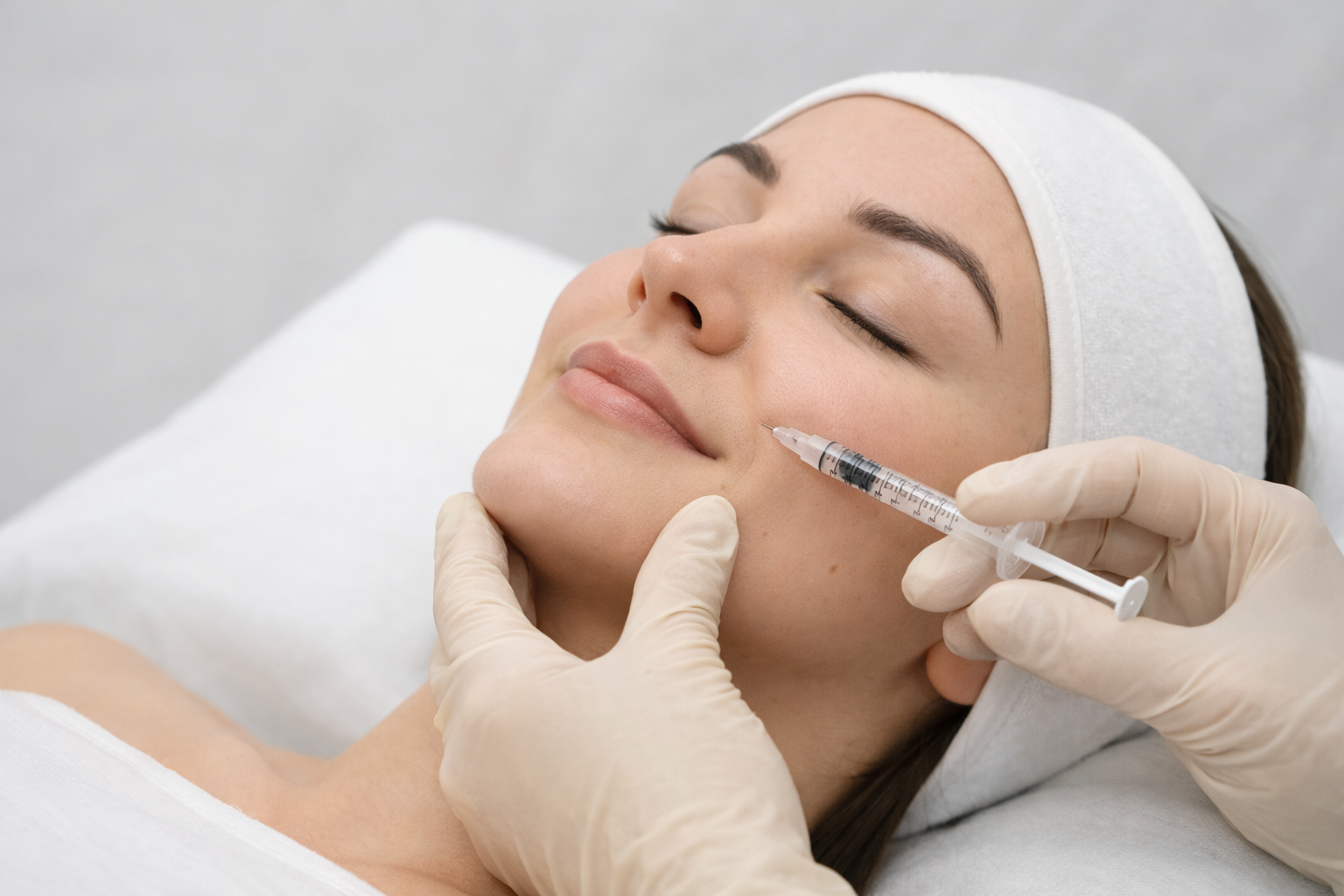
What it does: Temporarily relaxes muscles that create wrinkles. Your forehead stops creasing. Crows' feet soften. Jaw muscles relax, making your face look slimmer.
How it works: The injection blocks nerve signals to muscles. It takes 3-7 days to see the effect.
Duration: 3-6 months. Then the muscle function. You need another treatment.
Botox is best for forehead lines, crow's feet, frown lines between eyebrows, and masseter jaw slimming.
Downtime: None. You might have needle marks for a few hours.
Advantage: Korean doctors do Botox frequently, and they have mastered the art of natural-looking results. No frozen face. Smoother skin that still moves.
Dermal Fillers
What dermal fillers do: Add volume to areas that have lost smooth, deep lines. Most fillers use acid, a substance naturally in your skin.
Common areas for fillers: Cheeks, under-eyes, nasolabial folds, lips, jawline.
Duration: 6-18 months, depending on the filler type and location. Areas with movement, like lips, break down fillers faster.
Downtime: 1-3 days of swelling or bruising.
Advantage: Korean-made fillers like Neuramis and Revolax cost less. Have excellent safety profiles. Korean doctors are experts at subtle enhancement rather than obvious augmentation.
Thread Lifting
What thread lifting does: Uses threads, usually PDO, inserted under the skin to lift sagging tissue. The threads also stimulate collagen production.
Best for: Thread lifting is best for mild to moderate facial sagging, jawline definition, and neck tightening.
Duration: 12-24 months. The threads dissolve after 6-8 months. Collagen stimulation continues.
Downtime: 3-7 days. Some. Tenderness. You will feel the threads for a week as your skin adjusts.
Not a facelift replacement: Thread lifting is not a facelift replacement. It is for signs of aging. If you have sagging, you need surgery.
Advantage: Korean doctors pioneered thread techniques. They use COG threads and have developed less invasive insertion methods.
Laser Skin Rejuvenation
What laser skin rejuvenation covers: laser types for different issues like pigmentation, acne scars, texture, pore size, and overall brightness.
Common lasers:
Pico lasers for pigmentation and tattoo removal
Fractional CO2 for resurfacing and scars
Q-switched lasers for melasma and dark spots
IPL for redness and sun damage
Duration: Results develop over weeks as skin regenerates. You typically need 3-6 sessions spaced weeks apart.
Downtime: Varies. Mild lasers have no downtime. Aggressive CO2 resurfacing can mean 5-7 days of peeling and redness.
Advantage: Korean clinics have access to laser technology and doctors who understand Asian skin better than anyone. Hyperpigmentation is a risk with darker skin tones. Korean doctors navigate this daily.
HIFU and RF Skin Tightening
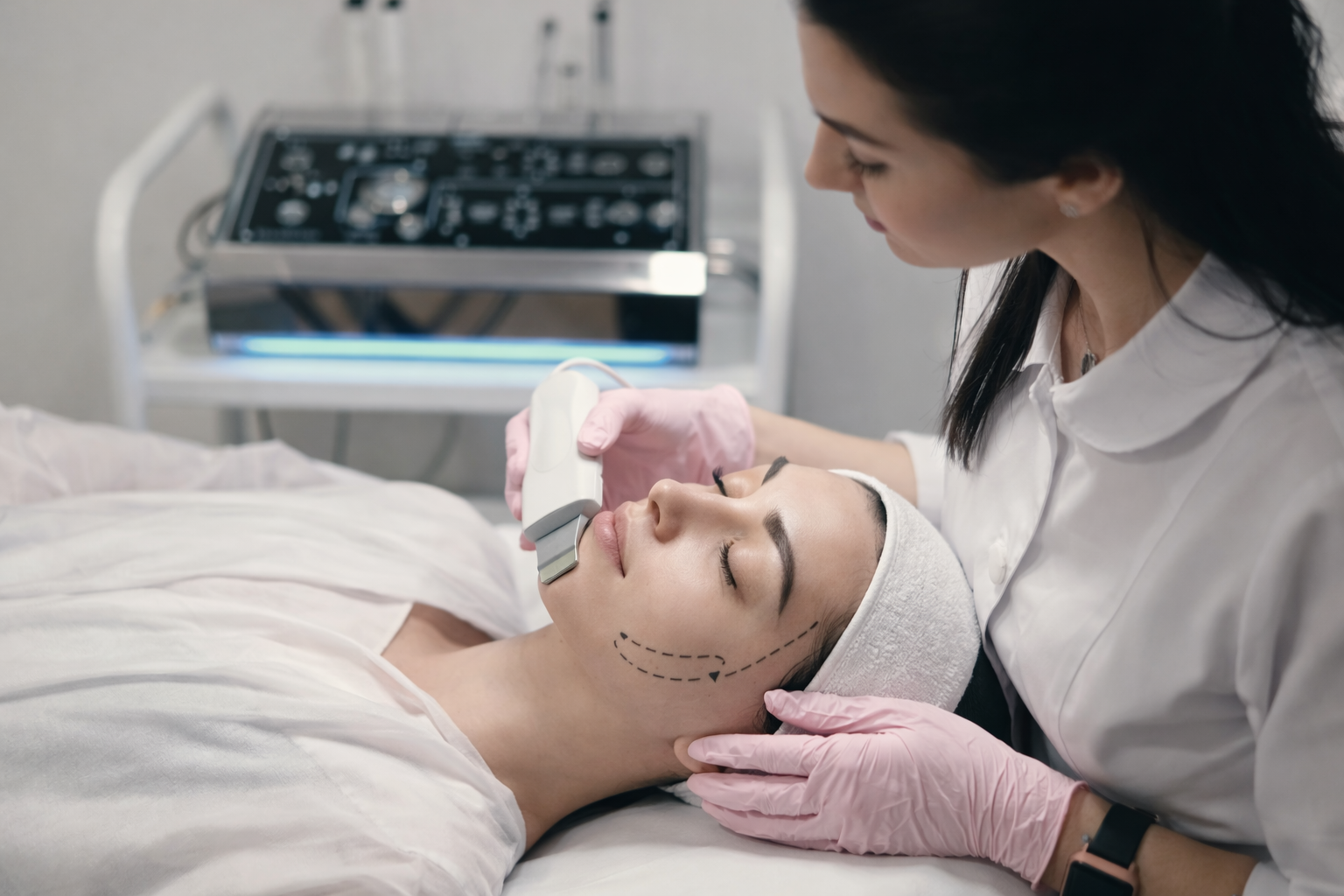
What HIFU and RF skin tightening do: High-Intensity Focused Ultrasound and Radiofrequency heat deep skin layers to stimulate collagen production. Results in tighter skin over time.
Best for: HIFU and RF skin tightening are best for Early jowling, mild neck sagging, and overall skin laxity.
Duration: Results develop over 2-3 months as collagen builds. Effects last 12-18 months.
Downtime: Minimal. Some redness for an hour.
Advantage: Korean clinics have the latest generation devices like Ultraformer MPT, which provide better results with less discomfort than older models. Korean clinics upgraded early.
Chemical Peels
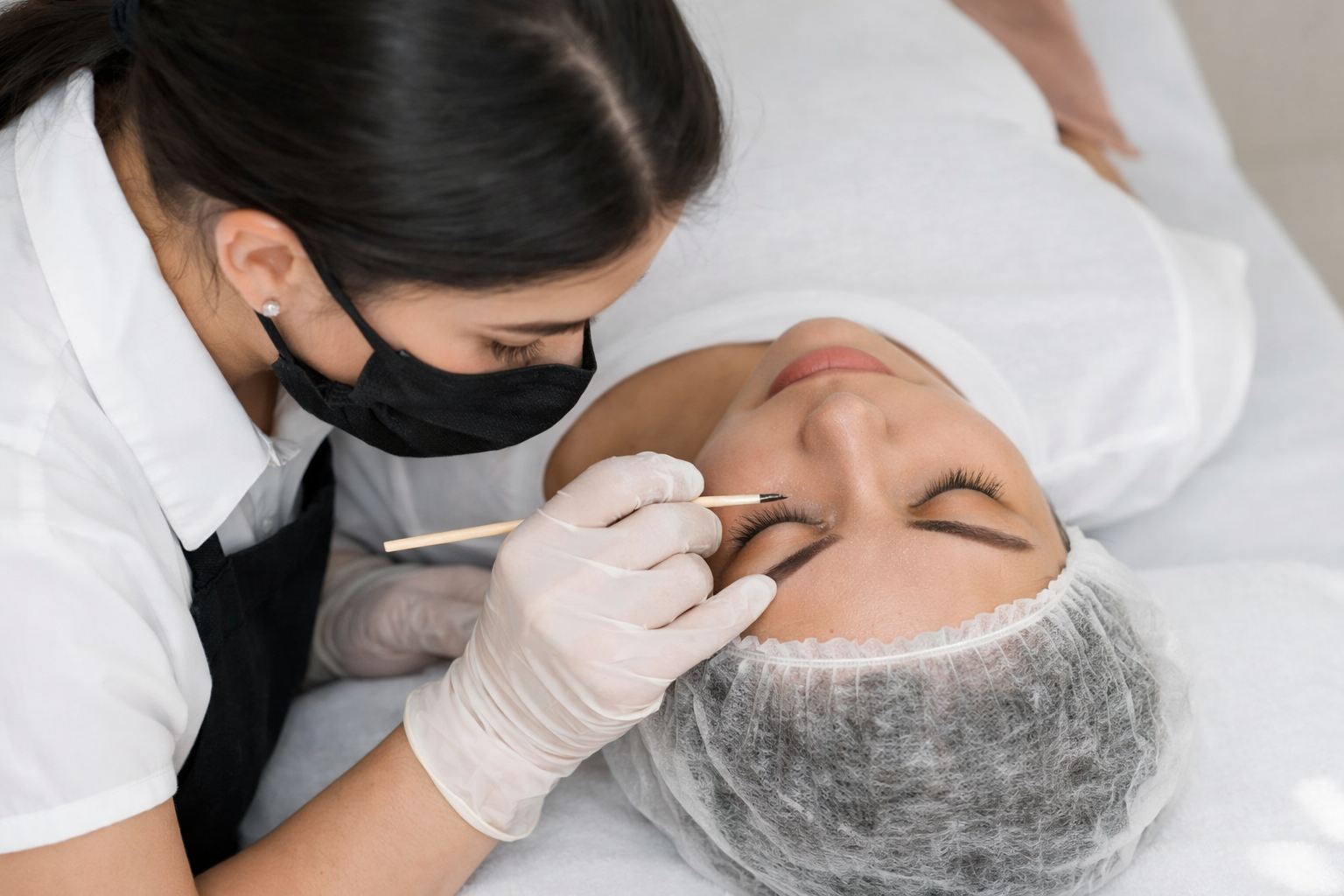
What chemical peels do: Controlled chemical exfoliation removes damaged skin layers, revealing fresh skin underneath.
Strengths: Light peels (minimal downtime), medium peels (moderate peeling for 3-5 days), deep peels (significant recovery but dramatic results).
Best for: Chemical peels are best for acne scars, sun damage, dull skin, and fine lines.
Duration: 3-6 months for peels. Longer for treatments.
Advantage: Korean aestheticians have perfected combination peels that target issues without excessive downtime.
Popular Package Deals
Korean clinics know you're traveling. They create packages that make sense for a week-long trip:
K-Glow Express (1-2 days): $580 – 1,050
Usually combines Botox, light laser, and skin booster injections
Minimal downtime, so you can sightsee after
Skin Rejuvenation Series (requires 3-5 visits over a week): $1,850 – 3,500
Multiple laser sessions, chemical peels, and LED therapy
Best results require staying longer
Full Face Refresh: $4,200 – 8,100
Thread lift + Botox + fillers + laser treatments
The complete transformation package
Requires 5-7 days with some downtime
How to Choose a Clinic Without Getting Burned
This is where people make mistakes. They see prices online and book without proper research. Here is how to do it
Check Doctor Credentials
The Doctor is a board-certified dermatologist or plastic surgeon with at least 5-10 years of experience specifically doing aesthetic procedures.
They should be members of the Korean Dermatological Association or a similar professional body.
You can verify this by asking reputable clinics to provide CVs, certifications, and procedure counts. If they are evasive, walk away. But be wary of clinics where registered nurses perform injections without doctor supervision. This is legal in Korea. Riskier.
Verify Product Safety
You want KFDA-approved products and brand-name products like Botox, Dysport, and Xeomin for toxins, and Juvederm, Restylane, and Neuramis for fillers. Look for original sealed products opened in front of you.
Avoid unknown product brands, products that seem suspiciously cheap, and clinics unwilling to show product packaging.
The KFDA maintains approval standards comparable to the FDA in the US.
Check Clinic Standards
Look for:
Clean, modern facilities
Proper sterilization protocols (autoclaves visible, single-use needles)
Emergency equipment on-site
Partnership with the nearby hospital for complications
Red flags:
Clinic feels dirty or outdated
Staff wearing street clothes instead of medical attire
No visible safety protocols
Read Real Reviews
Where to check:
Google Reviews (look for English reviews from international patients)
RealSelf.com (verified patient reviews)
WhatClinic (includes pricing transparency)
What to look for:
Consistent 4.5+ star rating across platforms
Reviews mentioning the doctor by name
Photos from actual patients (not stock photos)
Detailed experiences, not just "great service."
Red flags:
Only 5-star reviews (probably fake)
Reviews are all posted around the same time
Generic praise without specifics
No response to negative reviews
Communication Test
Before booking, evaluate:
How quickly they respond to inquiries
Quality of English (or if they have proper translators)
Willingness to answer questions without pressuring you to book
Clarity of pricing and what's included
Good clinics: Provide detailed answers, realistic expectations, detailed quotes, happy to schedule video consultations.
Bad clinics: Pushy sales tactics, vague pricing, promises that sound too good to be true, and rush you into booking.
Please note: These 2026 price ranges are averages for international patients utilizing English-speaking clinics in premium districts like Gangnam. Actual quotes may vary based on your doctor's recommendations. Don't forget to ask your clinic for a Tax Refund receipt—foreign tourists can claim back approximately 7-10% VAT on aesthetic procedures at the airport before flying home!
Planning Your Trip: The Logistics
Flights and Timing
From Kuala Lumpur to Seoul: 6-7 hours. Airlines include AirAsia X, Malaysia Airlines, Korean Air, and Asiana.
The cost is $302 to $630 USD return, depending on the season and booking timing.
The best seasons are spring and autumn. The weather is pleasant for recovery. Avoid summer and winter if possible.
Accommodation
The Gangnam area, where aesthetic clinics cluster, has decent hotels for $63 to $151 USD per night.
You can also consider guesthouses or Airbnb apartments at $38 to $75/night or range hotels at $88 to $126 USD/night in good locations.
If you want a luxury experience, you can pay $151.36/night.
You should stay for at least 5-7 days for single procedures with minimal downtime. For treatments or a thread lift, you want swelling gone before flying home, so stay for 10-14 days.
Total Trip Budget
A week in Seoul, excluding procedure costs:
Flights: $378 USD
Accommodation: $504 USD
Food: $176 USD
Transportation: $75 USD
Buffer: $126 USD
Total: $1,257 to $1,760 USD, for the trip itself
Then you add your procedure costs on top.
Visa and Practical Matters
Malaysian citizens have 90 days visa for entry. No special medical visa is needed.
Travel insurance is a must. You need to check if it covers things like cosmetic procedures. Most of the time, it does not. At least make sure it covers any complications or emergencies that might happen.
When you get to the airport, buy a SIM card for your phone. This will cost you around RM 50-100 for a week. You can also use services. You will need this to use Google Translate and to contact the clinic where you will have your procedure.
What Can Go Wrong (And How to Minimize Risk)
Let's be honest about risks. Aesthetic procedures are generally safe, but complications happen.
Common minor issues are:
Bruising, which is very common
Swelling, which is expected
Numbness
Mild asymmetry that will resolve on its own
Rare but serious complications are:
Infection, which is rare if the clinic is clean
Vascular occlusion from filler, which can cause tissue death if the filler is injected into a blood vessel
Allergic reactions
An aesthetic outcome that needs to be corrected
To minimize risk, you should:
Choose a reputable clinic
Do not go for the cheapest option
Ask about complication rates. How they handle them
Verify the doctor's credentials
Never let anyone but a licensed doctor perform injections
Follow aftercare instructions
Research has shown that complication rates at high-volume, well-regulated clinics are comparable to Western facilities when proper protocols are followed.
Making the Decision
Aesthetic procedures are personal as you are changing your appearance. This deserves thought.
You should ask yourself:
Am I doing this for me or because I feel pressured?
Are my expectations realistic?
Can I afford this without stress?
Am I comfortable traveling for medical treatment?
Do I have expectations about results and recovery?
Do not rush into this decision. Research thoroughly, consult with clinics, read reviews, and ask questions. A good clinic will respect your need to think it over.
Remember that no procedure can fix everything. A thread lift will not give you the result of a surgical facelift. Botox will not permanently erase wrinkles. Manage your expectations.
Final Thoughts
Korea offers value for aesthetic procedures. This is not because they are cutting corners. Because they have built an entire infrastructure around being excellent at this specific thing.
The savings are real, the quality is legitimate. The experience is generally positive for most medical tourists. It requires planning, research, and being comfortable with medical treatment abroad. It is not for everyone. That is okay. If you do decide to go, take your time choosing a clinic. Do not book based on price. Verify everything, ask questions, and trust your instincts.
My friend Sarah says her Seoul trip was worth it. She got results, a better price, and she got to explore a fascinating city. She also admits to being nervous before going and that the week away from work was complicated. Your priorities will determine the choice for you.
10 FAQs – Aesthetic Procedures in Korea
1- Can I combine treatments with a vacation?
Yes, you can; you need to plan carefully. If you have procedures like Botox or mild lasers, you will still be able to move around. However, if you have something like a thread lift or aggressive laser, you will need to rest for 3-5 days. So do not book a hiking trip right after you have a thread lift.
2- Will people notice I had work done?
This depends on what procedure you have. Botox takes a few days to start working. Fillers can cause some swelling at first. A thread lift can be noticeable for a week. If you want to look natural when you get home, you should budget some extra days in Seoul for the swelling to go down.
3- Can my local dermatologist help with aftercare?
Maybe. Some doctors will not help with aftercare if another doctor did the procedure. Others are happy to help. You should ask your doctor before you go to Korea. Bring all your records and product information with you.
4- Is the quality actually the same as that of luxury Western clinics?
At Korean clinics, the answer is yes. They have equipment and the same products as Western clinics. The doctors also have experience because they do so many procedures. What you will not get is the luxury spa environment that some Western clinics have.
5- Do I need to speak Korean?
No, you do not need to speak Korean. Major clinics in Gangnam have English-speaking staff or interpreters. Medical tourism is an industry in Korea, so they are set up to help foreigners.
6- Can I claim a tax refund for medical procedures in Korea?
Yes. Foreign tourists can often claim back approximately 7-10% in VAT for aesthetic procedures. Make sure to ask your clinic for a "Tax Refund" receipt, which you must present at the airport kiosk before your departure flight.
7- How long should I stay in Korea for these procedures?
For non-invasive treatments like Botox or light lasers, a 2-3 day stay is sufficient. For more intensive treatments like thread lifts or series-based laser therapies, we recommend a 7-day trip to allow for initial recovery and any necessary follow-up checks.
8- Do I need a translator when visiting a clinic?
Many specialized clinics in Gangnam cater specifically to international patients and have English-speaking coordinators. However, for a seamless experience, we recommend using a professional concierge service to ensure clear communication regarding your health history and expectations.
9- How do the prices in Korea compare to Singapore or Malaysia?
Thanks to a highly competitive market, advanced local manufacturing of supplies, and high procedure volumes, international patients often save 60-75% on aesthetic procedures in Korea compared to clinics in Singapore or the USA, even when factoring in travel costs.
10- Why is aesthetic treatment so much cheaper in Korea?
High competition, local manufacturing, and high treatment volume allow premium quality at lower prices.
11- Are Korean aesthetic clinics safe for foreigners?
Yes. Top clinics are strictly regulated and highly experienced with international patients.
12- Is Botox in Korea better than in the USA?
Korean doctors often deliver more natural results due to far higher procedure volume and refined techniques.
13- What should I look for in a Korean clinic?
Refer to the Korean Clinic Selection Criteria section above.
14- How do I plan my Korean aesthetic trip safely?
Contact le-medica.com for verified clinic recommendations, quotes in RM, and full coordination.
Ready for Your Korean Glow-Up?
Transform your skin and confidence with world-class aesthetic treatments at a fraction of the cost. le-medica.com provides safe, transparent, and fully supported medical tourism to Korea.
Contact le-medica.com today for your free personalized consultation and 2026 package quotes in RM.